





Enter your VAT number here and click Verify:
Your details have been verified. VAT number registered to:
,
.
Your order will now be zero rated for VAT purposes. We reserve the right to verify these details after your order request has been made and reinstate VAT if required.
Your VAT details were not recognised or were invalid. Your VAT number must be matched to your Billing Country as specified above. This is currently specified as . You do not need to enter the country code part of your VAT number as this has already been selected in your billing address details above.
The VAT number checking service is currently offline. Please supply your VAT details within the comments or special instructions field below and we will apply a VAT discount after placing your order request.

- Accessories
- Brakes
- Chassis / Bodywork
- Clothing & Gifts
- Electrical & Relays
- Engine Cooling
- Engine Electrical
- Engine Rebuild Parts
- Engine Tuning
- Exhausts
- Exterior Styling / Spoilers
- Gearbox / Transmission
- Heating / Air Conditioning
- Hydraulics
- Incar / Multimedia
- Interior & Accessories
- Lighting
- Mats & Carpets
- Motorsport and Off-Road
- Parts for Other Cars
- Pedal Cluster
- Rubber Seals
- Seats & Seat Belts
- Service Parts
- Special Offer Parts
- Steering Parts
- Suspension & Axle
- Suspension Upgrades
- Tyres
- Wheel Accessories
- Wheels

 Porsche


Fits:
Porsche 997 GT3 - 2007 to 2011
Porsche 997.1 turbo - 2007 to 2008
Porsche 997.2 GT2 - 2011 to 2012
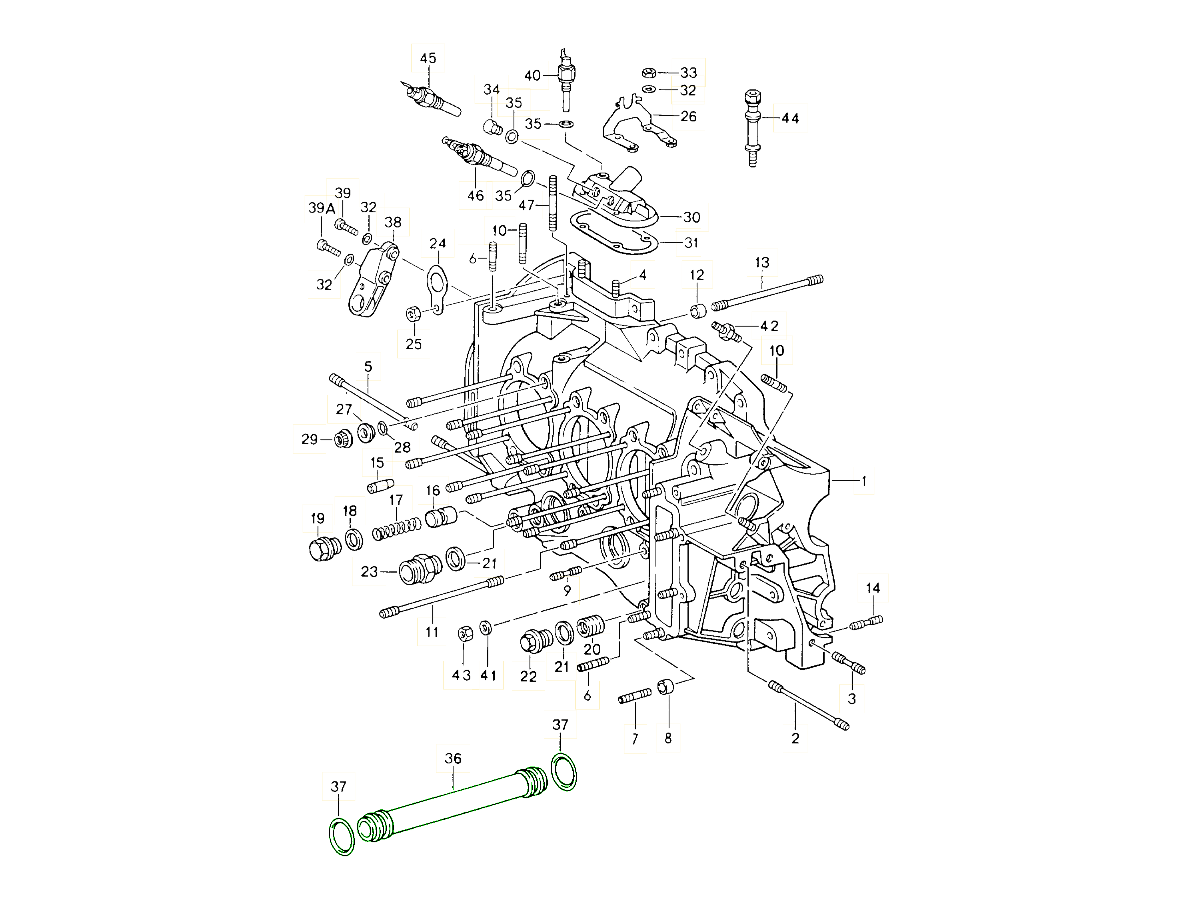
Click 'Zoom in' for large parts diagram.
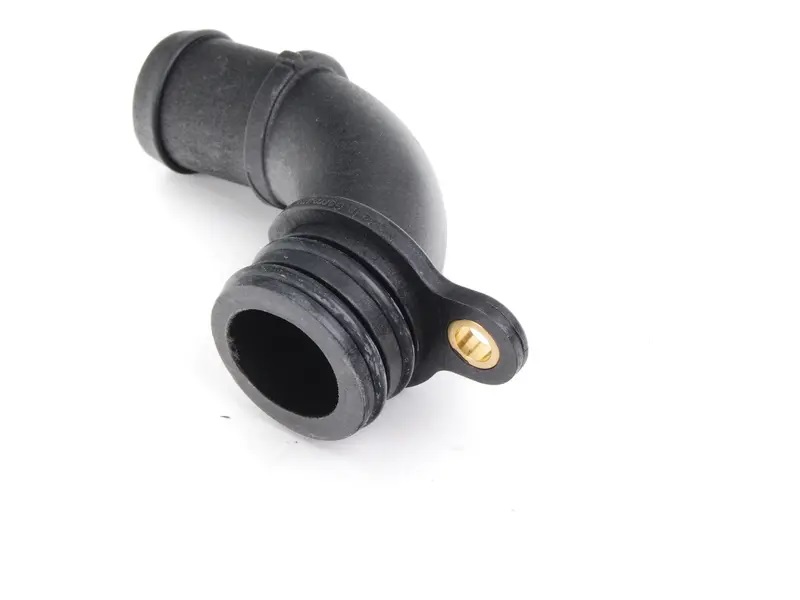
Diagram ref no 2
Related reference numbers
Related, superseded, cross reference or alternative numbers for comparison.
99710631372
The product you are viewing cross references to these numbers
- Porsche 997 MK1 TURBO 2007-09
- Porsche 997 MK1 GT3 / GT3 RS 2007-09
- Porsche 997 MK1 GT2 2007-09
- Porsche 997 MKII GT3 / GT3 RS 2010-11
- Porsche 997 MKII GT2 RS 2011-13
 Shop Securely
 12 Month Warranty
 Worldwide Delivery


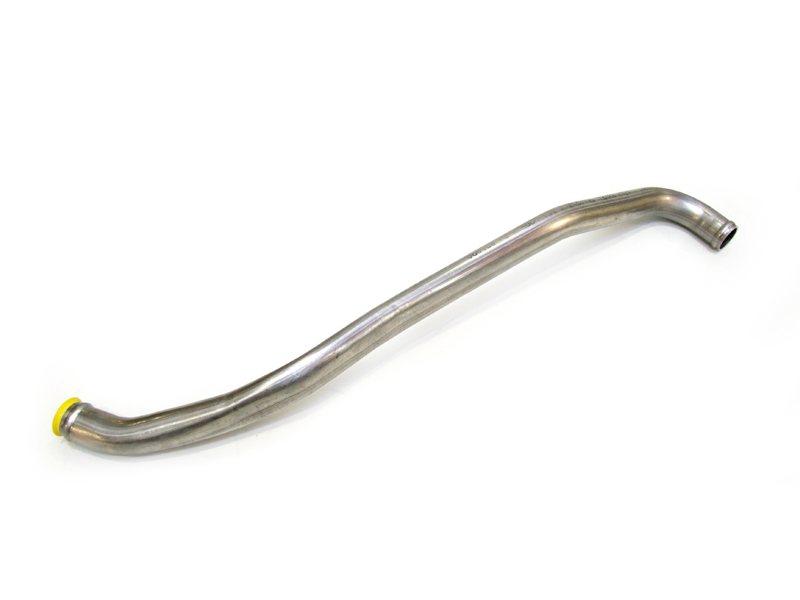
This oil tube kit includes the collapsible pipe sections, necessary seals and the circlip required for a leak-free seal. Its design mirrors the original specification, ensuring correct fitment, alignment and sealing within the engine bay - making it suitable for rebuilds, restoration projects, or as a replacement for ageing/failed oil return tubes.
Fits:
Porsche 911 2.0L 1965 - 1969
Porsche 911 1970 - 1989
Porsche 964 1989 - 1994
Porsche 993 1994 - 1998
Diagram Ref No 36 and 37
• Kit Contents: Collapsible oil tube(s), required seals, O-rings/circlip for sealing - sold per tube, 4 required per engine per manufacturer’s recommendation.
• Recommended Use: Replacement during engine rebuilds, oil system refurbishment, or whenever original oil return lines show signs of age - cracking, leaks, oil seepage or pressure loss.
Collapsible oil tube kit:
• Provides a sealed, flexible return path for engine oil from the heads/galley back to the sump or oil tank.
• Allows for thermal expansion, engine movement, and vibration, reducing stress on hard oil lines and preventing fractures or leaks.
• Maintains correct oil circulation and pressure, ensuring effective lubrication and cooling of the engine even under load or temperature variation.
• Replaces brittle, corroded, cracked or otherwise degraded original tubes - restoring reliable oil return and system integrity.
Original rigid or old oil return tubes often suffer from material fatigue, hardening, cracking, or corrosion after many years and thermal cycles. A failing oil return tube can lead to:
• Oil leaks - risking oil starvation, contamination or engine damage
• Reduced oil return flow - causing poor lubrication, overheating or premature engine wear
• Pressure variances - resulting in oil pressure instability or sump starvation under load
• Safety and reliability issues - a failing return path can lead to catastrophic engine damage.
Replacing with a correctly spec’d collapsible tube ensures proper oil circulation, reliable return flow, leak-free sealing, and long-term engine reliability - essential for preserving performance and longevity on 911 / 964 / 993 engines (and compatible layouts).
Related reference numbers
Related, superseded, cross reference or alternative numbers for comparison.
93010704001
The product you are viewing cross references to these numbers
- Porsche 911 1965-1968 2.0L / 912 SWB (F)
- Porsche 911 1968-1973 2.2L / 2.4L / 2.7L RS LWB (F)
- Porsche 911 1974-1977 2.7L / 1976-77 3.0 Carrera
- Porsche 911 1978-1983 3.0L / SC
- Porsche 911 1984-1986 3.2L
- Porsche 911 1987-1989 3.2L G50
- Porsche 911 1975-1977 3.0L Turbo (930)
- Porsche 911 1978-1989 3.3L Turbo (930)
- Porsche 964 (911) C2 1989-93
- Porsche 964 (911) C4 1989-93
- Porsche 964 (911) RS 3.6L 1991-93
- Porsche 964 (911) RS 3.8L 1991-93
- Porsche 964 (911) TURBO 3.3L 1991-93
- Porsche 964 (911) TURBO 3.6L 1991-93
- Porsche 993 (911) C2 1994-97
- Porsche 993 (911) C4 1994-97
- Porsche 993 (911) RS 1994-97
- Porsche 993 (911) C2S 1994-97
- Porsche 993 (911) C4S 1994-97
- Porsche 993 (911) TURBO 1994-96
- Porsche 993 (911) GT2 1994-97
- Porsche 993 (911) TURBO S 1994-97
Shop Securely
12 Month Warranty
Worldwide Delivery

Fits:
Porsche 964 1989-94
Diagram Ref No 24
Related reference numbers
Related, superseded, cross reference or alternative numbers for comparison.
96420725015
The product you are viewing cross references to these numbers
- Porsche 964 (911) C2 1989-93
- Porsche 964 (911) C4 1989-93
- Porsche 964 (911) RS 3.6L 1991-93
- Porsche 964 (911) RS 3.8L 1991-93
- Porsche 964 (911) TURBO 3.3L 1991-93
- Porsche 964 (911) TURBO 3.6L 1991-93
Shop Securely
12 Month Warranty
Worldwide Delivery
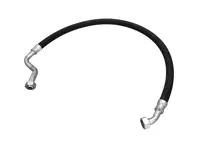


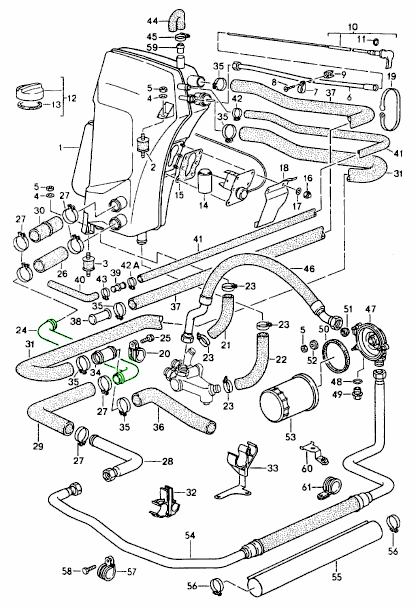

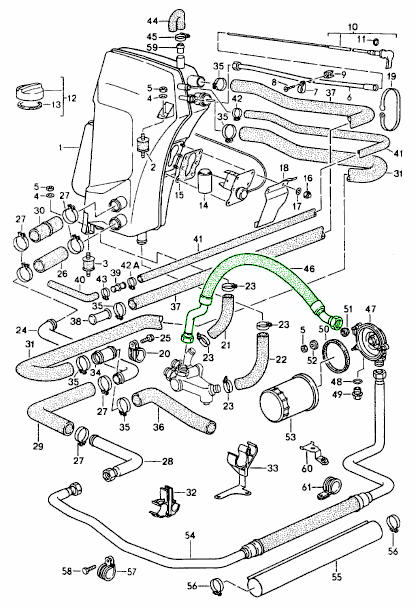
Oil Pipe – Thermostat to Oil Filter
The Porsche 964 Oil Pipe from the thermostat to the oil
filter is a critical component within the engine's lubrication and oil cooling
system. Designed specifically for Porsche 964 models produced between 1989 and
1994, this oil line transfers engine oil between the thermostat assembly and
the oil filter housing, ensuring continuous oil circulation and filtration
before oil is distributed throughout the engine.
Fits:
- Porsche 964 (911) C2 1989-93
- Porsche 964 (911) C4 1989-93
- Porsche 964 (911) RS 3.6L 1991-93
- Porsche 964 (911) RS 3.8L 1991-93
Diagram Ref No 46
The Porsche 964 relies on a sophisticated dry-sump lubrication system that not only lubricates critical engine components but also assists in engine cooling. This oil pipe plays an important role in maintaining correct oil flow, pressure, and filtration efficiency, helping to protect the engine under both normal driving and high-performance conditions.
Whether you are restoring a Porsche 964, rebuilding an engine, or repairing a leaking oil system, replacing ageing oil pipes is essential for maintaining reliability and preventing costly engine damage.
What Does This Oil Pipe Do?
The thermostat-to-oil-filter pipe forms part of the engine's oil circulation circuit.
Its primary functions include:
- Transporting oil between the thermostat and oil filter housing
- Maintaining uninterrupted oil flow through the lubrication system
- Ensuring oil passes through filtration before recirculation
- Supporting stable oil pressure throughout the engine
- Assisting the operation of the Porsche dry-sump oil system
- Helping maintain proper engine cooling and lubrication
Without a properly functioning oil pipe, oil flow can be compromised, placing the engine at risk of lubrication issues and overheating.
Why Does This Oil Pipe Fail?
The oil pipe operates in a demanding environment where it is constantly exposed to heat cycles, oil pressure, vibration, road contamination, and age-related deterioration.
Common causes of failure include:
- Corrosion of metal pipe sections
- External damage from road debris
- Fatigue from vibration and engine movement
- Deterioration of sealing surfaces
- Cracked or weakened pipe connections
- Oil contamination and sludge build-up
- Damage during previous repairs or engine removal work
- Age-related wear on original factory-installed lines
As the vehicle ages, corrosion and fatigue become increasingly common, particularly on original oil system components.
Common Symptoms of a Failing Oil Pipe
Signs that the thermostat-to-oil-filter pipe may require
replacement include:
- Visible oil leaks
- Oil residue around the pipe or fittings
- Corrosion on exposed metal sections
- Reduced oil pressure
- Oil smells from the engine bay
- Damaged or crushed pipework
- Difficulty removing seized fittings during servicing
Because the oil system is vital to engine protection, even small leaks should be addressed promptly.
When Should You Replace It?
Replacement is recommended when:
- Oil leaks are present
- Corrosion becomes visible
- Pipe fittings become damaged or seized
- During engine rebuilds
- During oil thermostat replacement
- During major oil system refurbishment
- As part of preventative maintenance on ageing vehicles
- During restoration projects where long-term reliability is a priority
Replacing ageing oil lines before failure helps prevent oil loss, lubrication issues, and expensive engine repairs.
Related reference numbers
Related, superseded, cross reference or alternative numbers for comparison.
96420725414
The product you are viewing cross references to these numbers
- Porsche 964 (911) C2 1989-93
- Porsche 964 (911) C4 1989-93
- Porsche 964 (911) RS 3.6L 1991-93
- Porsche 964 (911) RS 3.8L 1991-93
Shop Securely
12 Month Warranty
Worldwide Delivery


Monday-Friday: 8.30am - 5.30pm (GMT)
Saturday: Closed
Sunday: Closed