





Enter your VAT number here and click Verify:
Your details have been verified. VAT number registered to:
,
.
Your order will now be zero rated for VAT purposes. We reserve the right to verify these details after your order request has been made and reinstate VAT if required.
Your VAT details were not recognised or were invalid. Your VAT number must be matched to your Billing Country as specified above. This is currently specified as . You do not need to enter the country code part of your VAT number as this has already been selected in your billing address details above.
The VAT number checking service is currently offline. Please supply your VAT details within the comments or special instructions field below and we will apply a VAT discount after placing your order request.
OE Match

OE Match for Porsche
OE Match is a brand that provides a wide range of Porsche components, from gaskets to suspension hardware, engine parts, and interior trim. Over 6,700 individual part numbers, and over 11,800 OE cross-references catalogued, and are constantly developing new lines.OE Match has over 100 new products currently in the engineering phase, which will be quality-controlled and added to their catalog. The mission is to keep all Porsche vehicles on the road by offering a vast selection of parts that can address various problems across different Porsche generations
A Quick Look at OE Match
OE Match information on this page is based on details supplied by the manufacturer or distributor, plus any OE references provided with the parts.
Choosing the Right Fit for Your Porsche
Where OE Match is listed for Porsche, use the supplied model coverage and OE references to confirm suitability. Check details that commonly affect fitment such as model year, side/position, and connector type where relevant.
- Often chosen when owners want OE-equivalent quality with sensible running costs, especially for routine service and wear items.
- Typical reasons to replace include restoring reliability, addressing age-related wear, or refreshing multiple components during larger repair work.
- Common defects from incorrect application include noise, premature wear, leaks, or fitment quirks if the wrong variant is selected or fitted with old seals/hardware.
- Watch for symptoms such as unusual noises, early wear, or repeat failures after recent work, which can indicate mismatched parts or supporting items left worn.
- Always cross-check OEM part numbers, read model-year notes, and verify compatibility before ordering.
- For safety-critical components, confirm specification and fitment carefully and have installation checked by a competent technician.
Browse by Category
If you already know the area you are working on, start with the category and then filter by Porsche model. Where real-world symptoms and typical reasons to replace are provided, use them to keep the wording grounded.
Brakes — Brake components are renewed to restore stopping performance, address wear or upgrade a Porsche for fast road or track use. Common symptoms include vibration under braking, longer stopping distances, squealing, pulling to one side, warning lights and visible wear to discs and pads.
Brake Pad Wear Sensors — Brake pad wear sensors are replaced when pads are renewed or when warning lights indicate a broken or worn sensor. Symptoms include brake wear warnings even with new pads, damaged sensor cables, or broken clips around the caliper area.
Engine Electrical — Engine electrical parts are changed when there are starting, charging, ignition, or sensor-related faults that affect drivability and reliability, such as intermittent no-start, misfires, rough idle, poor charging, warning lights or heat-soak failures.
Service Parts — Service parts are replaced as routine maintenance to keep the engine and systems reliable, efficient, and protected, often resolving hard starting, rough idle, poor fuel economy and warning lights caused by clogged filters or worn ignition components.
Service Kits — Service kits bundle key service components to simplify maintenance and set the car back to a known baseline, especially useful when catching up on overdue servicing or dealing with general sluggish running, inconsistent idle and reduced performance.
- For brake parts, confirm whether items are OE-equivalent replacements or performance upgrades and check if new fitting kits and sensors are required.
- On service items and kits, match the kit to your exact Porsche model, engine and year, and review what is included so you can add any extra “while you are there” parts.
Explore OE Match at Design911
View the current OE Match range for Porsche at Design911, then filter by model and category to narrow down to the right parts.
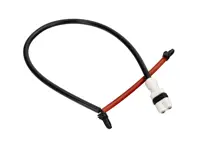

Front & Rear Brake Pad Wear Sensor
Sold each
Maintain the safety and performance of your Porsche braking
system with this OE Match Brake Pad Wear Sensor. Suitable for front
and rear brake applications on selected Porsche 986 Boxster, Porsche 996,
Porsche 996 turbo and Porsche 997 models, this sensor forms a vital part of the
factory brake wear monitoring system.

- Porsche 996 C2 3.4L 1997-08/01
- Porsche 996 C4 3.4L 1997-08/01
- Porsche 996 C2 3.6L 09/01-2005
- Porsche 996 C4 3.6L 09/01-2005
- Porsche 996 C4S 3.6L 09/01-2005
- Porsche 996 TURBO 2000-05

- Porsche Boxster 986 2.5L 1997-99
- Porsche Boxster 986 2.7L 1999-02
- Porsche Boxster S 986 3.2L 1999-02
- Porsche Boxster 986 2.7L 2003-04
- Porsche Boxster S 986 3.2L 2003-04

- Porsche 997 MK1 Carrera 2 3.6L 2005-08
- Porsche 997 MK1 Carrera 4 3.6L 2005-08
The brake pad wear sensor continuously monitors brake pad thickness and alerts the driver when replacement is required. By providing an early warning before the friction material becomes excessively worn, the sensor helps protect brake discs, maintain braking performance and prevent costly repairs.
For high-performance Porsche sports cars, maintaining the brake wear monitoring system is essential to ensure optimum braking efficiency and vehicle safety.
What Does a Brake Pad Wear Sensor Do?
The brake pad wear sensor is fitted directly into the brake pad and monitors the remaining friction material.
As the brake pad wears down, the sensor eventually contacts the brake disc and completes an electrical circuit that activates the brake wear warning light on the dashboard.
A properly functioning sensor helps:
- Monitor brake pad condition
- Provide early brake wear warnings
- Prevent excessive brake pad wear
- Protect brake discs from damage
- Improve maintenance planning
- Support safe braking performance
- Maintain factory brake monitoring functionality
The sensor serves as an important preventative maintenance tool, helping owners replace brake pads before braking performance is affected.
Why Do Brake Pad Wear Sensors Fail?
Brake wear sensors operate in a demanding environment exposed to heat, vibration, moisture and road contamination.
Common causes of failure include:
- Normal brake pad wear
- Sensor activation after pad wear reaches its limit
- Damaged wiring
- Corrosion in electrical connections
- Heat-related deterioration
- Physical damage during brake servicing
- Water ingress
- Age-related material degradation
Because the sensor is designed to operate alongside the brake pads, it is often recommended to replace the sensor whenever new brake pads are installed.
When Should a Brake Pad Wear Sensor Be Replaced?
Brake wear sensors should be replaced whenever they have been activated, damaged or when brake pads are renewed.
Common signs include:
- Brake wear warning light illuminated
- Intermittent brake warning messages
- Broken or damaged sensor wiring
- False brake wear warnings
- Corroded sensor connectors
- Sensor damage during brake servicing
- Brake pad replacement due to wear
Replacing the sensor during brake maintenance helps ensure the brake monitoring system continues to function correctly.
Why Replacement Matters
A functioning brake wear sensor helps protect your braking system while maintaining safety and reliability.
Benefits include:
- Accurate brake pad monitoring
- Reliable warning light operation
- Improved vehicle safety
- Protection of brake discs
- Reduced maintenance costs
- Better service planning
- Improved braking system reliability
- Long-term braking system protection
For Porsche owners, maintaining the brake wear monitoring system helps preserve the performance, safety and confidence expected from the marque.
Related reference numbers
Related, superseded, cross reference or alternative numbers for comparison.
99661236501
The product you are viewing cross references to these numbers
- Porsche Boxster 986 2.5L 1997-99
- Porsche Boxster 986 2.7L 1999-02
- Porsche Boxster S 986 3.2L 1999-02
- Porsche Boxster 986 2.7L 2003-04
- Porsche Boxster S 986 3.2L 2003-04
- Porsche 996 C2 3.4L 1997-08/01
- Porsche 996 C4 3.4L 1997-08/01
- Porsche 996 C2 3.6L 09/01-2005
- Porsche 996 C4 3.6L 09/01-2005
- Porsche 996 C4S 3.6L 09/01-2005
- Porsche 996 TURBO 2000-05
- Porsche 997 MK1 Carrera 2 3.6L 2005-08
- Porsche 997 MK1 Carrera 4 3.6L 2005-08
 Shop Securely
 12 Month Warranty
 Worldwide Delivery
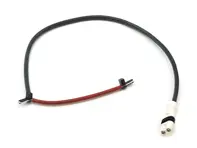
The OE Match Front Brake Pad Wear Sensor is a high-quality replacement braking system component designed to monitor the condition of the front brake pads and provide a warning when the friction material reaches its minimum service thickness. Manufactured to OE specifications for fit, function and reliability, this sensor helps ensure timely brake maintenance and supports safe vehicle operation.
Fits:
- Porsche 964 (911) RS 3.6L 1991-93
- Porsche 964 (911) RS 3.8L 1991-93
- Porsche 964 (911) TURBO 3.3L 1991-93
- Porsche 964 (911) TURBO 3.6L 1991-93
- Porsche 993 (911) C4S 1994-97
- Porsche 993 (911) TURBO 1994-96
- Porsche 993 (911) GT2 1994-97
- Porsche 993 (911) TURBO S 1994-97
Installed directly into the front brake pad assembly, the sensor continuously monitors brake pad wear and communicates with the vehicle's brake warning system. When the brake pads wear down to a predetermined limit, the sensor activates the dashboard brake wear warning light, alerting the driver that replacement brake pads are required.
What This Product Does:
- Monitors front brake pad wear throughout the life of the brake pads.
- Activates the brake wear warning indicator when service is required.
- Provides early warning of brake maintenance needs.
- Helps prevent excessive brake pad wear.
- Protects brake discs from damage caused by worn brake pads.
- Supports safe and efficient braking performance.
- Assists with preventative brake system maintenance.
Symptoms Of Wear Or Failure:
- Brake wear warning light remaining illuminated.
- Intermittent brake wear warning messages.
- False brake wear alerts despite sufficient brake pad thickness.
- No warning indication when brake pads are excessively worn.
- Damaged, broken or frayed sensor wiring.
- Corrosion or physical damage to the sensor body.
- Brake monitoring fault codes stored within the vehicle system.
- Warning light remaining active after brake pad replacement.
Why Replacement Matters:
- Front brake pad wear sensors operate in a harsh environment and are continually exposed to heat, brake dust, moisture, road debris and vibration. In many applications, the sensor is designed to wear alongside the brake pads and should be replaced whenever new front brake pads are fitted to ensure accurate brake wear monitoring.
- A damaged or malfunctioning sensor can provide inaccurate brake wear information, potentially causing unnecessary warning lights or, more importantly, failing to alert the driver when brake pads require replacement. Excessively worn brake pads can reduce braking efficiency and cause costly damage to the brake discs and related braking components.
- Replacing a worn front brake pad wear sensor restores accurate brake monitoring, ensures proper operation of the dashboard warning system and helps maintain optimum braking performance and safety. An OE Match replacement provides factory-style fitment, dependable operation and long-term reliability, making it an essential component during brake servicing and maintenance.
Related reference numbers
Related, superseded, cross reference or alternative numbers for comparison.
99361236801
The product you are viewing cross references to these numbers
- Porsche 964 (911) RS 3.6L 1991-93
- Porsche 964 (911) RS 3.8L 1991-93
- Porsche 964 (911) TURBO 3.3L 1991-93
- Porsche 964 (911) TURBO 3.6L 1991-93
- Porsche 993 (911) C4S 1994-97
- Porsche 993 (911) TURBO 1994-96
- Porsche 993 (911) GT2 1994-97
- Porsche 993 (911) TURBO S 1994-97
Shop Securely
12 Month Warranty
Worldwide Delivery
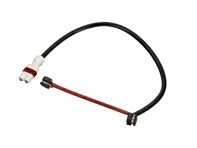
The OE Match Rear Brake Pad Wear Sensor is a high-quality replacement braking system component designed to monitor rear brake pad wear and provide a warning when the brake pads have reached their minimum safe operating thickness. Manufactured to OE specifications for fit, performance and reliability, this sensor forms an integral part of the vehicle's brake wear monitoring system.
Fits:
- Porsche 964 (911) C2 1989-93
- Porsche 964 (911) C4 1989-93
- Porsche 964 (911) RS 3.6L 1991-93
- Porsche 964 (911) RS 3.8L 1991-93
- Porsche 964 (911) TURBO 3.3L 1991-93
- Porsche 964 (911) TURBO 3.6L 1991-93
Installed directly into the rear brake pad assembly, the sensor continuously monitors the condition of the brake friction material. Once the pads wear to a predetermined level, the sensor activates the dashboard brake wear warning light, alerting the driver that rear brake pad replacement is required. This helps maintain braking efficiency and protects other braking system components from unnecessary wear.
What This Product Does:
- Monitors rear brake pad wear throughout the life of the brake pads.
- Activates the brake wear warning light when replacement is required.
- Provides early notification of rear brake maintenance needs.
- Helps prevent excessive brake pad wear.
- Protects brake discs from damage caused by worn brake pads.
- Supports safe and effective braking performance.
- Assists with preventative brake system maintenance.
Symptoms Of Wear Or Failure:
- Rear brake wear warning light remaining illuminated.
- Intermittent brake wear warning messages.
- False brake wear alerts despite sufficient brake pad thickness.
- No warning indication when rear brake pads are excessively worn.
- Damaged, broken or frayed sensor wiring.
- Corrosion or physical damage to the sensor body.
- Brake system fault codes related to the wear monitoring circuit.
- Warning light remaining active after brake pad replacement.
Why Replacement Matters:
- Rear brake pad wear sensors operate in harsh conditions and are continually exposed to brake dust, heat, moisture, road debris and vibration. In many applications, the sensor is designed to wear alongside the brake pads and should be replaced whenever new rear brake pads are fitted to ensure continued monitoring accuracy.
- A damaged or malfunctioning sensor can provide inaccurate brake wear information, potentially leading to unnecessary warning lights or failure to alert the driver when rear brake pads require replacement. If brake pads wear beyond their service limit, braking performance may be reduced and expensive damage to the brake discs can occur.
- Replacing a worn rear brake pad wear sensor restores accurate brake monitoring, ensures proper operation of the warning system and helps maintain safe braking performance. An OE Match replacement provides factory-style fitment, dependable operation and long-term reliability, making it an essential component during rear brake servicing and maintenance.
Related reference numbers
Related, superseded, cross reference or alternative numbers for comparison.
96461236501
The product you are viewing cross references to these numbers
- Porsche 964 (911) C2 1989-93
- Porsche 964 (911) C4 1989-93
- Porsche 964 (911) RS 3.6L 1991-93
- Porsche 964 (911) RS 3.8L 1991-93
- Porsche 964 (911) TURBO 3.3L 1991-93
- Porsche 964 (911) TURBO 3.6L 1991-93
Shop Securely
12 Month Warranty
Worldwide Delivery
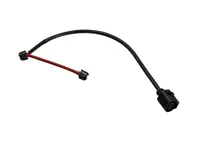
The OE Match Brake Pad Wear Sensor is a high-quality replacement braking system component designed to monitor brake pad wear and provide a warning when the brake pads reach their minimum service thickness. Manufactured to OE specifications for fit, function and reliability, this sensor helps ensure brake maintenance is carried out at the correct time, protecting both braking performance and associated brake components.
Fits:
- Porsche 955 Cayenne Turbo 4.5L 2003-06
- Porsche 955 Cayenne Turbo S 4.5L 2006>>
- Porsche 957 Cayenne Turbo / Turbo S 4.8L 2007-10
Installed directly into the brake pad assembly, the wear sensor continuously monitors the remaining friction material. When the brake pads wear to a predetermined limit, the sensor activates the dashboard brake wear warning light, alerting the driver that brake pad replacement is required.
What This Product Does:
- Monitors brake pad wear throughout the life of the brake pads.
- Activates the brake wear warning light when pads reach their service limit.
- Provides early notification of required brake maintenance.
- Helps prevent excessive brake pad wear.
- Protects brake discs from damage caused by worn brake pads.
- Supports safe and effective braking performance.
- Assists with preventative brake system maintenance.
Symptoms Of Wear Or Failure:
- Brake wear warning light remaining illuminated.
- Intermittent brake wear warning messages.
- False brake wear warnings despite adequate brake pad thickness.
- No warning light when brake pads are excessively worn.
- Damaged, broken or frayed sensor wiring.
- Corrosion or physical damage to the sensor body.
- Brake system fault codes relating to the wear monitoring circuit.
- Warning light remaining active after brake pad replacement.
Why Replacement Matters:
- Brake pad wear sensors operate in demanding conditions and are constantly exposed to brake dust, heat, moisture, road debris and vibration. In many applications, the sensor is designed to wear alongside the brake pads and should be replaced whenever new brake pads are fitted to ensure continued monitoring accuracy.
- A damaged or malfunctioning sensor can provide inaccurate wear information, potentially leading to unnecessary warning lights or failure to alert the driver when brake pads require replacement. If brake pads are allowed to wear beyond their service limit, braking performance may be compromised and costly damage to the brake discs can occur.
- Replacing a worn brake pad wear sensor restores accurate brake monitoring, ensures proper operation of the warning system and helps maintain safe braking performance. An OE Match replacement provides factory-style fitment, dependable operation and long-term reliability, making it an essential component during brake servicing and maintenance.
Related reference numbers
Related, superseded, cross reference or alternative numbers for comparison.
95561236552
The product you are viewing cross references to these numbers
- Porsche 955 Cayenne Turbo 4.5L 2003-06
- Porsche 955 Cayenne Turbo S 4.5L 2006>>
- Porsche 957 Cayenne Turbo / Turbo S 4.8L 2007-10
Shop Securely
12 Month Warranty
Worldwide Delivery

The OE Match Brake Pad Wear Sensor is a high-quality replacement braking system component designed to monitor brake pad wear and provide a timely warning when the brake pads approach their minimum safe thickness. Manufactured to OE specifications for fit, reliability and performance, this sensor is an essential part of the vehicle's brake wear monitoring system.
Fits:
- Porsche 944 2.5L 8V 1982-87
- Porsche 944 2.7L 8V 1988-89
- Porsche 944S 2.5L 16V 1987-88
Installed directly into the brake pad assembly, the sensor continuously monitors the condition of the brake friction material. When the pads wear to a predetermined limit, the sensor activates the dashboard brake wear warning light, alerting the driver that brake service is required. This helps maintain optimum braking performance and prevents unnecessary damage to other brake system components.
What This Product Does:
- Monitors brake pad wear throughout the life of the brake pads.
- Activates the brake wear warning light when replacement is required.
- Provides early notification of brake maintenance needs.
- Helps prevent excessive brake pad wear.
- Protects brake discs from damage caused by worn brake pads.
- Supports safe and effective braking performance.
- Assists with preventative brake system maintenance.
Symptoms Of Wear Or Failure:
- Brake wear warning light remaining permanently illuminated.
- Intermittent brake wear warning messages.
- False brake wear alerts despite sufficient brake pad thickness.
- No warning indication when brake pads are excessively worn.
- Damaged, frayed or broken sensor wiring.
- Corrosion or physical damage to the sensor body.
- Brake monitoring fault codes stored within the vehicle system.
- Warning light remaining active after brake pad replacement.
Why Replacement Matters:
- Brake pad wear sensors operate in a harsh environment and are exposed to brake dust, heat, moisture, road debris and constant vibration. In many applications, the sensor is designed to wear alongside the brake pads and should be replaced whenever new brake pads are installed to maintain accurate monitoring.
- A damaged or malfunctioning sensor can provide inaccurate wear information, potentially leading to unnecessary warning lights or failure to notify the driver when brake pads require replacement. If brake pads wear beyond their safe operating limit, braking performance may be reduced and costly damage to the brake discs can occur.
- Replacing a worn brake pad wear sensor restores accurate brake wear monitoring, ensures correct operation of the dashboard warning system and helps maintain safe braking performance. An OE Match replacement provides factory-style fitment, dependable operation and long-term reliability, making it an essential component during brake servicing and maintenance.
Related reference numbers
Related, superseded, cross reference or alternative numbers for comparison.
94461221201
The product you are viewing cross references to these numbers
- Porsche 944 2.5L 8V 1982-87
- Porsche 944 2.7L 8V 1988-89
- Porsche 944S 2.5L 16V 1987-88
Shop Securely
12 Month Warranty
Worldwide Delivery
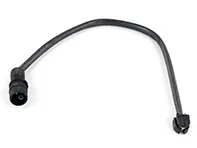
The OE Match Brake Pad Wear Sensor is a high-quality replacement braking system component designed to monitor brake pad condition and alert the driver when the pads have reached their minimum safe operating thickness. Manufactured to OE specifications for fit, performance and reliability, this sensor forms an essential part of the vehicle's brake wear monitoring system.
Fits:
- Porsche 911 1984-1986 3.2L
- Porsche 911 1987-1989 3.2L G50
- Porsche 911 1978-1989 3.3L Turbo (930)
- Porsche 944 2.5L 8V 1982-87
- Porsche 944 Turbo 2.5L 8V 1985-88
Fitted directly into the brake pad assembly, the sensor continuously monitors brake pad wear and communicates with the vehicle's warning system. When the friction material wears to a predetermined level, the sensor activates the brake pad wear warning light, ensuring maintenance can be carried out before braking performance is compromised.
What This Product Does:
- Monitors brake pad wear throughout the life of the brake pads.
- Activates the brake wear warning light when replacement is required.
- Provides early notification of brake maintenance needs.
- Helps prevent excessive brake pad wear.
- Protects brake discs from damage caused by worn brake pads.
- Supports safe and effective braking performance.
- Assists with preventative brake system maintenance.
Symptoms Of Wear Or Failure:
- Brake pad wear warning light remaining illuminated.
- Intermittent brake wear warning messages.
- False brake wear alerts despite sufficient brake pad material.
- No warning light when brake pads are excessively worn.
- Damaged, broken or frayed sensor wiring.
- Corrosion or physical damage to the sensor body.
- Brake monitoring fault codes stored within the vehicle system.
- Warning light remaining active after brake pad replacement.
Why Replacement Matters:
- Brake pad wear sensors operate in demanding conditions and are constantly exposed to brake dust, heat, moisture, road debris and vibration. In many applications, the sensor is designed to wear alongside the brake pads and should be replaced whenever new brake pads are fitted to ensure continued monitoring accuracy.
- A damaged or malfunctioning sensor can provide inaccurate brake wear information, potentially leading to unnecessary warning lights or failure to notify the driver when brake pads require replacement. If brake pads wear beyond their safe operating limit, braking performance can be compromised and costly damage to brake discs may occur.
- Replacing a worn brake pad wear sensor restores accurate brake monitoring, ensures correct operation of the warning system and helps maintain optimum braking performance and safety. An OE Match replacement provides factory-style fitment, dependable operation and long-term reliability, making it an essential component during brake servicing and maintenance.
Related reference numbers
Related, superseded, cross reference or alternative numbers for comparison.
94461221105
The product you are viewing cross references to these numbers
- Porsche 911 1984-1986 3.2L
- Porsche 911 1987-1989 3.2L G50
- Porsche 911 1978-1989 3.3L Turbo (930)
- Porsche 944 2.5L 8V 1982-87
- Porsche 944 Turbo 2.5L 8V 1985-88
Shop Securely
12 Month Warranty
Worldwide Delivery

The OE Match Brake Pad Wear Sensor is a high-quality replacement braking system component designed to continuously monitor brake pad condition and provide a warning when the friction material reaches its minimum safe thickness. Manufactured to OE specifications for fit, function and reliability, this sensor helps ensure timely brake maintenance and supports safe vehicle operation.
Fits:
- Porsche 928 4.5L 1978-82
Installed directly into the brake pad assembly, the wear sensor forms part of the vehicle's brake monitoring system. When the brake pads wear down to a predetermined level, the sensor triggers the dashboard brake wear warning light, notifying the driver that brake pad replacement is required.
What This Product Does:
- Monitors brake pad wear throughout the service life of the pads.
- Activates the brake pad wear warning indicator when replacement is required.
- Helps prevent excessive brake pad wear.
- Protects brake discs from damage caused by worn friction material.
- Supports safe and effective braking performance.
- Assists with preventative brake maintenance.
- Provides early warning of brake service requirements.
Symptoms Of Wear Or Failure:
- Brake wear warning light remaining illuminated.
- Intermittent brake pad warning messages.
- False brake wear warnings despite healthy brake pads.
- No warning light when brake pads are excessively worn.
- Damaged, broken or corroded sensor wiring.
- Physical damage to the sensor body.
- Fault codes relating to the brake wear monitoring system.
- Warning light remaining active after brake pad replacement.
Why Replacement Matters:
- Brake pad wear sensors operate in demanding conditions and are constantly exposed to heat, brake dust, moisture, road debris and vibration. In many applications, the sensor is designed to wear alongside the brake pads and should be replaced during brake servicing to ensure continued monitoring accuracy.
- A damaged or worn sensor can provide inaccurate brake wear information, potentially resulting in unnecessary warning lights or failure to alert the driver when brake pads have reached their service limit. If brake pads are allowed to wear excessively, braking performance can be reduced and costly damage to the brake discs may occur.
- Replacing a worn brake pad wear sensor restores accurate brake wear monitoring, ensures proper operation of the warning system and helps maintain safe braking performance. An OE Match replacement provides factory-style fitment, dependable operation and long-term reliability, making it an essential component during brake maintenance and pad replacement.
Related reference numbers
Related, superseded, cross reference or alternative numbers for comparison.
92861231100
The product you are viewing cross references to these numbers
- Porsche 928 4.5L 1978-82
Shop Securely
12 Month Warranty
Worldwide Delivery
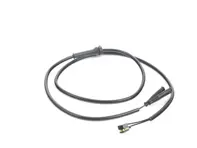
The OE Match Brake Pad Wear Sensor is a high-quality replacement braking system component designed to monitor the condition of the brake pads and provide an early warning when they have reached their minimum service thickness. Manufactured to OE specifications for fit, performance and reliability, this sensor helps ensure brake maintenance is carried out before braking performance is compromised.
Fits:
- Porsche 928S2 4.7L 1984-86
- Porsche 928S4 5.0L 1987-92
Fitted directly into the brake pad assembly, the wear sensor forms part of the vehicle's brake monitoring system and communicates with the dashboard warning circuit. When the brake pad friction material wears to a predetermined level, the sensor activates the brake wear warning indicator, alerting the driver that replacement brake pads are required.
What This Product Does:
- Monitors brake pad wear during normal operation.
- Activates the brake pad wear warning light when pads reach their wear limit.
- Provides early notification of required brake maintenance.
- Helps prevent excessive brake pad wear.
- Protects brake discs from damage caused by worn-out pads.
- Supports safe and effective braking performance.
- Assists with preventative maintenance of the braking system.
Symptoms Of Wear Or Failure:
- Brake wear warning light remaining permanently illuminated.
- Intermittent brake wear warning messages.
- False wear warnings despite adequate brake pad thickness.
- No warning light when brake pads are excessively worn.
- Damaged, frayed or broken sensor wiring.
- Corrosion or physical damage to the sensor body.
- Brake monitoring fault codes stored in the vehicle system.
- Warning light remaining active after brake pad replacement.
Why Replacement Matters:
- Brake pad wear sensors operate in a harsh environment, exposed to high temperatures, brake dust, moisture, road debris and constant vibration. As part of their design, many sensors are intended to wear alongside the brake pads and are commonly replaced during brake servicing.
- A damaged or worn sensor can provide inaccurate information regarding brake pad condition. This may result in unnecessary warning lights or, more critically, failure to alert the driver when brake pads require replacement. If brake pads are allowed to wear beyond their service limit, brake discs can become damaged, increasing repair costs and reducing braking effectiveness.
- Replacing a worn brake pad wear sensor restores accurate brake monitoring functionality, ensures the warning system operates correctly and helps maintain safe braking performance. An OE Match replacement provides factory-style fitment, dependable operation and long-term reliability, making it an essential component whenever brake pads are replaced.
Related reference numbers
Related, superseded, cross reference or alternative numbers for comparison.
92861231502
The product you are viewing cross references to these numbers
- Porsche 928S2 4.7L 1984-86
- Porsche 928S4 5.0L 1987-92
Shop Securely
12 Month Warranty
Worldwide Delivery

The OE Match Brake Pad Wear Sensor is a high-quality replacement braking system component designed to monitor brake pad wear and alert the driver when the brake pads have reached their service limit. Manufactured to OE specifications for fit, function and reliability, this sensor forms an important part of the vehicle's brake wear monitoring system.
Fits:
- Porsche 928 4.5L 1978-82
- Porsche 928S 4.7L 1981-83
- Porsche 928S2 4.7L 1984-86
Installed directly into the brake pad assembly, the sensor provides an electrical signal to the vehicle's dashboard warning system when the brake friction material becomes excessively worn. This helps ensure brake maintenance is carried out at the correct interval, protecting both braking performance and associated braking components.
What This Product Does:
- Monitors brake pad wear levels.
- Triggers the brake pad wear warning light when pads reach their service limit.
- Helps prevent excessive brake pad wear.
- Protects brake discs from damage caused by worn brake pads.
- Supports safe and effective braking performance.
- Assists with preventative brake system maintenance.
- Provides early warning of required brake servicing.
Symptoms Of Wear Or Failure:
- Brake pad wear warning light remaining illuminated.
- Intermittent brake wear warning messages.
- False brake wear warnings despite adequate pad thickness.
- No brake wear warning when pads are excessively worn.
- Damaged, broken or corroded sensor wiring.
- Physical damage to the sensor body.
- Electrical fault codes related to the brake wear monitoring system.
- Warning lights remaining active after brake pad replacement.
Why Replacement Matters:
- Brake pad wear sensors are exposed to heat, moisture, road debris, brake dust and constant vibration. During normal operation, the sensor is designed to wear alongside the brake pads and often requires replacement when new brake pads are installed.
- A faulty or damaged sensor can provide inaccurate wear readings, potentially leading to unnecessary warning lights or, more importantly, failure to alert the driver when brake pads require replacement. This can result in excessive brake pad wear, brake disc damage and reduced braking efficiency.
- Replacing a worn or damaged brake pad wear sensor ensures accurate brake wear monitoring, restores proper warning system functionality and helps maintain safe braking performance. An OE Match replacement provides factory-style fitment, dependable operation and long-term reliability, making it an essential component during brake servicing and maintenance.
Related reference numbers
Related, superseded, cross reference or alternative numbers for comparison.
92861231305
The product you are viewing cross references to these numbers
- Porsche 928 4.5L 1978-82
- Porsche 928S 4.7L 1981-83
- Porsche 928S2 4.7L 1984-86
Shop Securely
12 Month Warranty
Worldwide Delivery
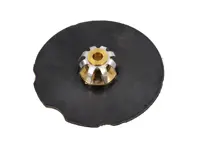
The OE Match Anti Vibration Damper, 28mm is a high-quality replacement suspension component designed to reduce unwanted vibrations and harmonic oscillations transmitted through the vehicle's chassis, steering and suspension systems. Manufactured to OE specifications and engineered for 28mm applications, this damper helps maintain ride comfort, steering precision and overall vehicle refinement.
Sold Each.
Fits:
- Porsche Boxster S 986 3.2L 1999-02
- Porsche Boxster S 986 3.2L 2003-04
- Porsche Boxster 987 S 3.2/3.4L 2005-08/08
- Porsche Boxster S 987 MKII 3.4L 2009-12
- Porsche 964 (911) C2 1989-93
- Porsche 964 (911) C4 1989-93
- Porsche 964 (911) RS 3.6L 1991-93
- Porsche 964 (911) RS 3.8L 1991-93
- Porsche 964 (911) TURBO 3.3L 1991-93
- Porsche 964 (911) TURBO 3.6L 1991-93
- Porsche 993 (911) C4 1994-97
- Porsche 993 (911) C4S 1994-97
- Porsche 993 (911) TURBO 1994-96
- Porsche 993 (911) TURBO S 1994-97
- Porsche 996 C2 3.4L 1997-08/01
- Porsche 996 C4 3.4L 1997-08/01
- Porsche 996 C2 3.6L 09/01-2005
- Porsche 996 C4 3.6L 09/01-2005
- Porsche 996 C4S 3.6L 09/01-2005
- Porsche 996 TURBO 2000-05
- Porsche 996 GT3 MKI 1999-02
- Porsche 996 GT3 MKII 2003>>
- Porsche 997 MK1 Carrera 2 3.6L 2005-08
- Porsche 997 MK1 Carrera 2S 3.8L 2005-08
- Porsche 997 MK1 Carrera 4 3.6L 2005-08
- Porsche 997 MK1 Carrera 4S 3.8L 2005-08
- Porsche 997 MK1 TURBO 2007-09
- Porsche 997 MKII Carrera C2 3.6L 2009-12
- Porsche 997 MKII Carrera C4 3.6L 2009-12
- Porsche 997 MKII Carrera C2S 3.8L 2009-12
- Porsche 997 MKII Carrera C4S 3.8L 2009-12
- Porsche 997 MKII GT3 / GT3 RS 2010-11
- Porsche Cayman S 3.4L 987C 2005-08
- Porsche Cayman S / R 3.4L 987C MKII 2009-12
- Porsche 944 Turbo 2.5L 8V 1985-88
- Porsche 944 Turbo 2.5L 8V 1989-91
- Porsche 944 Turbo S 2.5L 8V 1988
- Porsche 968 3.0L 1992-94
- Porsche 968 Sport 3.0L 1994-95
- Porsche 968 CS 3.0L 1993-95
- Porsche 968 Turbo S 3.0L 1993-94
- Porsche 928S4 5.0L 1987-92
- Porsche 928GT 5.0L 1989-91
- Porsche 928GTS 5.4L 1992-95
By absorbing and dissipating vibrations generated by road surfaces, suspension movement and chassis resonance, the anti-vibration damper contributes to smoother vehicle operation and improved driving stability. It is an important component in preserving the balanced handling characteristics and comfort levels expected from your Porsche.
What This Product Does:
- Reduces unwanted vibration within the suspension and steering systems.
- Dampens oscillations caused by road irregularities and suspension movement.
- Improves steering stability and vehicle control.
- Enhances ride comfort and driving refinement.
- Helps reduce stress on surrounding suspension components.
- Supports predictable handling and road holding.
- Contributes to a quieter and smoother driving experience.
Symptoms Of Wear Or Failure:
- Increased vibration felt through the steering wheel or chassis.
- Steering shimmy or instability at certain speeds.
- Excessive road harshness transmitted into the cabin.
- Increased suspension noise, rattles or vibrations.
- Reduced ride comfort.
- Excessive oscillation after driving over bumps.
- Visible deterioration, cracking or damage to the damper assembly.
- Accelerated wear of nearby suspension or steering components.
Why Replacement Matters:
- Anti-vibration dampers are exposed to constant road impacts, vibration, suspension loads, environmental conditions and age-related wear. Over time, the internal damping material and mounting elements can deteriorate, reducing the component's ability to absorb and control unwanted movement effectively.
- A worn damper can negatively affect ride quality, steering feel and overall vehicle refinement. Excessive vibration may also place additional strain on steering and suspension components, accelerating wear and potentially increasing maintenance costs. In some cases, vehicle stability and driver confidence may be affected, particularly during high-speed driving.
- Replacing a worn anti-vibration damper restores smooth vehicle operation, improves steering precision and helps maintain the original handling characteristics intended by Porsche. An OE Match replacement provides factory-style fitment, reliable performance and long-term durability, ensuring continued suspension effectiveness and driving comfort.
Related reference numbers
Related, superseded, cross reference or alternative numbers for comparison.
99635208602
The product you are viewing cross references to these numbers
- Porsche Boxster S 986 3.2L 1999-02
- Porsche Boxster S 986 3.2L 2003-04
- Porsche Boxster 987 S 3.2/3.4L 2005-08/08
- Porsche Boxster S 987 MKII 3.4L 2009-12
- Porsche 964 (911) C2 1989-93
- Porsche 964 (911) C4 1989-93
- Porsche 964 (911) RS 3.6L 1991-93
- Porsche 964 (911) RS 3.8L 1991-93
- Porsche 964 (911) TURBO 3.3L 1991-93
- Porsche 964 (911) TURBO 3.6L 1991-93
- Porsche 993 (911) C4 1994-97
- Porsche 993 (911) C4S 1994-97
- Porsche 993 (911) TURBO 1994-96
- Porsche 993 (911) TURBO S 1994-97
- Porsche 996 C2 3.4L 1997-08/01
- Porsche 996 C4 3.4L 1997-08/01
- Porsche 996 C2 3.6L 09/01-2005
- Porsche 996 C4 3.6L 09/01-2005
- Porsche 996 C4S 3.6L 09/01-2005
- Porsche 996 TURBO 2000-05
- Porsche 996 GT3 MKI 1999-02
- Porsche 996 GT3 MKII 2003>>
- Porsche 997 MK1 Carrera 2 3.6L 2005-08
- Porsche 997 MK1 Carrera 2S 3.8L 2005-08
- Porsche 997 MK1 Carrera 4 3.6L 2005-08
- Porsche 997 MK1 Carrera 4S 3.8L 2005-08
- Porsche 997 MK1 TURBO 2007-09
- Porsche 997 MKII Carrera C2 3.6L 2009-12
- Porsche 997 MKII Carrera C4 3.6L 2009-12
- Porsche 997 MKII Carrera C2S 3.8L 2009-12
- Porsche 997 MKII Carrera C4S 3.8L 2009-12
- Porsche 997 MKII GT3 / GT3 RS 2010-11
- Porsche Cayman S 3.4L 987C 2005-08
- Porsche Cayman S / R 3.4L 987C MKII 2009-12
- Porsche 944 Turbo 2.5L 8V 1985-88
- Porsche 944 Turbo 2.5L 8V 1989-91
- Porsche 944 Turbo S 2.5L 8V 1988
- Porsche 968 3.0L 1992-94
- Porsche 968 Sport 3.0L 1994-95
- Porsche 968 CS 3.0L 1993-95
- Porsche 968 Turbo S 3.0L 1993-94
- Porsche 928S4 5.0L 1987-92
- Porsche 928GT 5.0L 1989-91
- Porsche 928GTS 5.4L 1992-95
Shop Securely
12 Month Warranty
Worldwide Delivery
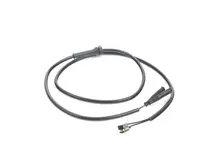
Brake Pad Wear Sensor - Front
Sold each - 2 required per car
Maintain the safety and reliability of your Porsche braking
system with this OE Match Brake Pad Wear Sensor, designed for
Porsche 928 models produced between 1978 and 1985. This sensor forms part of
the factory brake wear monitoring system, providing an early warning when brake
pads approach their service limit.
Fits:
- Porsche 928 4.5L 1978-82
- Porsche 928S 4.7L 1981-83
- Porsche 928S2 4.7L 1984-86
The brake pad wear sensor is installed within the brake pad and is designed to trigger a warning light when the friction material wears to a predetermined level. This allows drivers to replace brake pads before braking performance is compromised or damage occurs to the brake discs.
For a high-performance grand touring car such as the Porsche 928, maintaining the braking system in optimum condition is essential for both safety and driving enjoyment.
What Does a Brake Pad Wear Sensor Do?
The brake pad wear sensor continuously monitors the thickness of the brake pad friction material.
As the brake pad wears down, the sensor eventually contacts the brake disc and completes an electrical circuit that activates the brake wear warning light on the dashboard.
A correctly functioning sensor helps:
- Monitor brake pad condition
- Provide early wear warnings
- Prevent excessive brake pad wear
- Protect brake discs from damage
- Improve maintenance planning
- Enhance braking safety
- Support reliable vehicle operation
The sensor acts as an important safeguard, helping owners identify when brake service is required.
Why Do Brake Pad Wear Sensors Fail?
Brake wear sensors operate in a harsh environment exposed to heat, moisture, road debris and vibration.
Common causes of failure include:
- Normal brake pad wear
- Sensor activation during pad wear
- Damaged sensor wiring
- Corrosion in electrical connections
- Heat-related deterioration
- Physical damage during brake servicing
- Water and dirt contamination
- Age-related material fatigue
In many cases, the sensor is designed as a service item and should be replaced whenever it has been triggered or damaged.
When Should a Brake Pad Wear Sensor Be Replaced?
Brake wear sensors should typically be replaced during brake pad replacement or whenever a fault is identified.
Common symptoms include:
- Brake wear warning light illuminated
- Intermittent brake warning messages
- Damaged or broken sensor wiring
- False brake wear warnings
- Sensor damage during brake servicing
- Corrosion around the sensor connection
- Brake pads being replaced due to wear
Replacing the sensor when fitting new brake pads helps ensure the monitoring system continues to operate correctly.
Why Replacement Matters
A functioning brake pad wear sensor provides an important warning system that helps protect both the braking system and vehicle occupants.
Benefits include:
- Accurate brake wear monitoring
- Improved vehicle safety
- Reduced risk of brake damage
- Early maintenance alerts
- Protection of expensive brake discs
- Reliable dashboard warning operation
- Improved servicing accuracy
- Long-term braking system reliability
For Porsche 928 owners, maintaining the brake wear monitoring system helps preserve the safety and performance expected from a Porsche grand tourer.
Related reference numbers
Related, superseded, cross reference or alternative numbers for comparison.
92861231501
The product you are viewing cross references to these numbers
- Porsche 928 4.5L 1978-82
- Porsche 928S 4.7L 1981-83
- Porsche 928S2 4.7L 1984-86
Shop Securely
12 Month Warranty
Worldwide Delivery
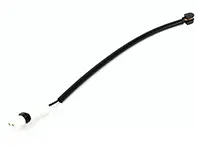
Front Brake Pad Wear Sensor
Sold each - 2 required per car
Maintain the safety and performance of your braking system
with this OE Match Front Brake Pad Wear Sensor, designed
specifically for Porsche 944 models produced between 1987 and 1989. This sensor
forms an important part of the factory brake monitoring system, providing an
early warning when front brake pads have reached their minimum service
thickness.
Fits:
- Porsche 944 2.5L 8V 1982-87
- Porsche 944 2.7L 8V 1988-89
- Porsche 944S 2.5L 16V 1987-88
Installed within the front brake pad assembly, the wear sensor is designed to trigger the dashboard brake wear warning light when the friction material becomes worn. This allows owners to replace brake pads before braking efficiency is compromised or expensive brake disc damage occurs.
For a performance-focused sports car such as the Porsche 944, maintaining the braking system in peak condition is essential for both safety and driving confidence.
What Does a Brake Pad Wear Sensor Do?
The brake pad wear sensor continuously monitors the thickness of the brake pad friction material.
As the brake pad wears, the sensor eventually contacts the brake disc and completes an electrical circuit that illuminates the brake wear warning light on the dashboard.
A correctly functioning sensor helps:
- Monitor brake pad condition
- Provide early brake wear warnings
- Prevent excessive brake pad wear
- Protect brake discs from damage
- Improve maintenance planning
- Support safe braking performance
- Maintain factory brake monitoring functionality
The sensor acts as an early warning system, helping drivers address brake wear before it becomes a safety concern.
Why Do Brake Pad Wear Sensors Fail?
Brake wear sensors operate in an environment exposed to heat, moisture, road debris and vibration.
Common causes of failure include:
- Normal brake pad wear
- Sensor activation through brake pad wear
- Damaged sensor wiring
- Corrosion in electrical connections
- Heat damage
- Physical damage during brake servicing
- Water and dirt contamination
- Age-related deterioration
Because the sensor is designed to wear alongside the brake pad, replacement is often recommended whenever new brake pads are installed.
When Should a Brake Pad Wear Sensor Be Replaced?
The sensor should be replaced whenever it has been activated, damaged or when new brake pads are fitted.
Common signs include:
- Brake wear warning light illuminated
- Intermittent brake warning messages
- Damaged or broken wiring
- False brake wear warnings
- Corrosion at sensor connections
- Brake pad replacement due to wear
- Sensor damage during servicing
Replacing the sensor during brake maintenance helps ensure continued reliability of the brake monitoring system.
Why Replacement Matters
A functioning brake pad wear sensor helps maintain both safety and braking system reliability.
Benefits include:
- Accurate brake wear monitoring
- Early maintenance alerts
- Protection of brake discs
- Improved braking safety
- Reliable dashboard warning operation
- Reduced risk of excessive brake wear
- Better service planning
- Long-term braking system protection
For Porsche 944 owners, maintaining the factory brake wear warning system helps preserve both performance and peace of mind.
Related reference numbers
Related, superseded, cross reference or alternative numbers for comparison.
94461221200
The product you are viewing cross references to these numbers
- Porsche 944 2.5L 8V 1982-87
- Porsche 944 2.7L 8V 1988-89
- Porsche 944S 2.5L 16V 1987-88
Shop Securely
12 Month Warranty
Worldwide Delivery
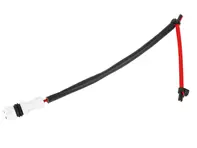
Front Brake Pad Wear Sensor
Sold each - 2 required per car
Maintain the safety and performance of your Porsche braking
system with this OE Match Front Brake Pad Wear Sensor 92861236601, designed
specifically for Porsche 928 models produced between 1992 and 1995. This sensor
forms an important part of the factory brake monitoring system, providing an
early warning when the front brake pads have reached their minimum service
thickness.
Fits:
- Porsche 928GTS 5.4L 1992-95
Installed directly into the brake pad assembly, the sensor monitors brake pad wear and activates the dashboard brake warning light when replacement is required. This simple but essential component helps prevent excessive brake wear, protects expensive brake discs and ensures the braking system continues to perform at its best.
For high-performance grand touring models such as the later Porsche 928 S4, GT and GTS, maintaining the brake wear monitoring system is essential for both safety and reliability.
What Does a Brake Pad Wear Sensor Do?
The brake pad wear sensor continuously monitors the thickness of the brake pad friction material.
As the brake pad wears down, the sensor eventually makes contact with the brake disc and triggers the brake wear warning circuit, alerting the driver that replacement is required.
A correctly functioning sensor helps:
- Monitor brake pad condition
- Provide early brake wear warnings
- Protect brake discs from damage
- Improve maintenance scheduling
- Support safe braking performance
- Reduce unexpected repair costs
- Maintain factory brake monitoring functionality
The sensor provides valuable advance notice before brake performance is affected.
Why Do Brake Pad Wear Sensors Fail?
Brake wear sensors operate in a demanding environment exposed to heat, vibration, moisture and road debris.
Common causes of failure include:
- Normal brake pad wear
- Sensor activation due to worn pads
- Damaged sensor wiring
- Corrosion within electrical connections
- Heat-related deterioration
- Physical damage during brake servicing
- Water or dirt contamination
- Age-related component degradation
Because the sensor is designed to function alongside the brake pads, replacement is typically recommended whenever new brake pads are fitted.
When Should a Brake Pad Wear Sensor Be Replaced?
The sensor should be replaced whenever it has been activated, damaged or when new brake pads are installed.
Common symptoms include:
- Brake wear warning light illuminated
- Intermittent brake warning indications
- Damaged or broken wiring
- False brake wear alerts
- Corroded electrical connections
- Sensor damage during brake servicing
- Brake pad replacement due to wear
Replacing the sensor at the same time as the brake pads helps ensure the brake monitoring system remains fully functional.
Why Replacement Matters
A functioning brake pad wear sensor helps maintain braking safety and reduces the risk of costly brake system repairs.
Benefits include:
- Accurate brake wear monitoring
- Reliable warning light operation
- Improved vehicle safety
- Protection of brake discs
- Reduced maintenance costs
- Better servicing accuracy
- Enhanced braking system reliability
- Long-term brake system protection
For Porsche 928 owners, maintaining the factory brake wear warning system helps preserve both driving confidence and vehicle safety.
Related reference numbers
Related, superseded, cross reference or alternative numbers for comparison.
92861236601
The product you are viewing cross references to these numbers
- Porsche 928GTS 5.4L 1992-95
Shop Securely
12 Month Warranty
Worldwide Delivery

Front Brake Pad Vibration Damper
Sold each - 4 required per car
Restore smooth, quiet braking performance with this OE Match
Front Brake Pad Vibration Damper 98735108801, designed for Porsche 987 Boxster
2.7 litre models. Installed between the brake pad and brake caliper piston, the
vibration damper helps absorb and reduce vibrations generated during braking,
significantly reducing brake squeal, noise and unwanted resonance.
Porsche Boxster 987 2.7L 2005-08/08
Although often overlooked during brake servicing, vibration
dampers play an important role in maintaining the refinement and braking
comfort expected from a Porsche. As these components age, deteriorate or become
damaged, they can lose their effectiveness, leading to increased brake noise
and vibration.
Replacing worn brake pad vibration dampers whenever brake pads are replaced helps ensure optimum braking refinement and consistent brake system performance.
What Does a Brake Pad Vibration Damper Do?
A brake pad vibration damper acts as an insulating layer between the brake pad backing plate and the brake caliper piston.
Its primary functions include:
- Reducing brake squeal
- Absorbing braking vibrations
- Minimising resonance between brake components
- Improving braking refinement
- Supporting smooth brake operation
- Enhancing driving comfort
- Reducing unwanted brake noise
By controlling vibration transfer within the braking system, the damper helps create a quieter and more refined driving experience.
Why Do Brake Pad Vibration Dampers Fail?
Brake dampers operate in a harsh environment exposed to heat, moisture, brake dust and repeated pressure cycles.
Common causes of failure include:
- Age-related deterioration
- Heat damage from repeated braking
- Corrosion
- Physical damage during brake servicing
- Distortion from worn brake components
- Separation of bonded materials
- Brake pad replacement without damper renewal
Over time, the damper can lose its ability to effectively absorb vibration, reducing its performance.
When Should a Brake Pad Vibration Damper Be Replaced?
Replacement is recommended whenever brake pads are replaced or if brake noise becomes evident.
Common symptoms include:
- Brake squeal during braking
- Increased brake noise
- Vibration through the brake pedal
- Rattling from the brake assembly
- Corroded or damaged damper plates
- Distorted anti-vibration shims
- Uneven brake pad contact
- Brake servicing requiring component renewal
Replacing dampers alongside brake pads helps maintain factory braking refinement.
Why Replacement Matters
A worn or damaged vibration damper can contribute to brake noise and reduced braking comfort.
Benefits of replacement include:
- Reduced brake squeal
- Improved braking refinement
- Smoother brake operation
- Reduced vibration transmission
- Enhanced driving comfort
- Improved brake system performance
- Better brake component longevity
- Restoration of factory brake characteristics
For Porsche Boxster owners, maintaining the complete braking system—including smaller service components—helps preserve the premium driving experience Porsche intended.
Related reference numbers
Related, superseded, cross reference or alternative numbers for comparison.
98735108801
The product you are viewing cross references to these numbers
- Porsche Boxster 987 2.7L 2005-08/08
Shop Securely
12 Month Warranty
Worldwide Delivery

The OE Match Anti Vibration Damper, 40mm Front is a high-quality replacement suspension component designed to reduce unwanted vibrations and oscillations within the front suspension and steering system. Manufactured to OE specifications and designed for 40mm front suspension applications, this damper helps improve ride quality, steering stability and overall vehicle refinement.
Sold Each.
x4 Required Per Car.
Fits:
- Porsche 964 (911) C2 1989-93
- Porsche 964 (911) C4 1989-93
- Porsche 944S 2.5L 16V 1987-88
- Porsche 944S2 3.0L 16V 1989-91
- Porsche 968 3.0L 1992-94
- Porsche 968 Sport 3.0L 1994-95
- Porsche 968 CS 3.0L 1993-95
- Porsche 968 Turbo S 3.0L 1993-94
By absorbing and controlling vibration generated from road surfaces, suspension movement and chassis resonance, the anti-vibration damper contributes to smoother vehicle operation and reduced stress on surrounding suspension components. It is an important component in maintaining the handling characteristics and driving comfort expected from your Porsche.
What This Product Does:
- Reduces unwanted vibration transmitted through the front suspension system.
- Dampens oscillations caused by road irregularities and chassis movement.
- Improves steering stability and front-end control.
- Enhances ride comfort and driving refinement.
- Helps reduce stress on suspension and steering components.
- Supports smooth, predictable handling characteristics.
- Contributes to a quieter and more comfortable driving experience.
Symptoms Of Wear Or Failure:
- Increased vibration felt through the steering wheel.
- Front-end shimmy or instability at certain speeds.
- Excessive road harshness transmitted into the cabin.
- Increased suspension noise or rattling.
- Reduced ride comfort.
- Excessive oscillation after driving over bumps or uneven road surfaces.
- Visible deterioration, cracking or damage to the damper assembly.
- Premature wear of surrounding suspension components.
Why Replacement Matters:
- Front anti-vibration dampers are continually exposed to road impacts, vibration, suspension loads and environmental conditions. Over time, the damping material and mounting components can deteriorate, reducing the damper's ability to absorb unwanted movement and vibration effectively.
- A worn anti-vibration damper can negatively affect ride quality, steering feel and vehicle refinement. Excessive vibration may also increase wear on steering and suspension components, potentially leading to additional maintenance costs and reduced driving comfort. In some cases, handling stability and driver confidence can be affected, particularly during high-speed driving.
- Replacing a worn anti-vibration damper restores smooth operation, improves front-end stability and helps maintain the precise handling characteristics intended by Porsche. An OE Match replacement provides factory-style fitment, dependable performance and long-term durability, ensuring continued comfort and suspension effectiveness.
Related reference numbers
Related, superseded, cross reference or alternative numbers for comparison.
96435109602
The product you are viewing cross references to these numbers
- Porsche 964 (911) C2 1989-93
- Porsche 964 (911) C4 1989-93
- Porsche 944S 2.5L 16V 1987-88
- Porsche 944S2 3.0L 16V 1989-91
- Porsche 968 3.0L 1992-94
- Porsche 968 Sport 3.0L 1994-95
- Porsche 968 CS 3.0L 1993-95
- Porsche 968 Turbo S 3.0L 1993-94
Shop Securely
12 Month Warranty
Worldwide Delivery
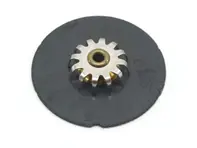
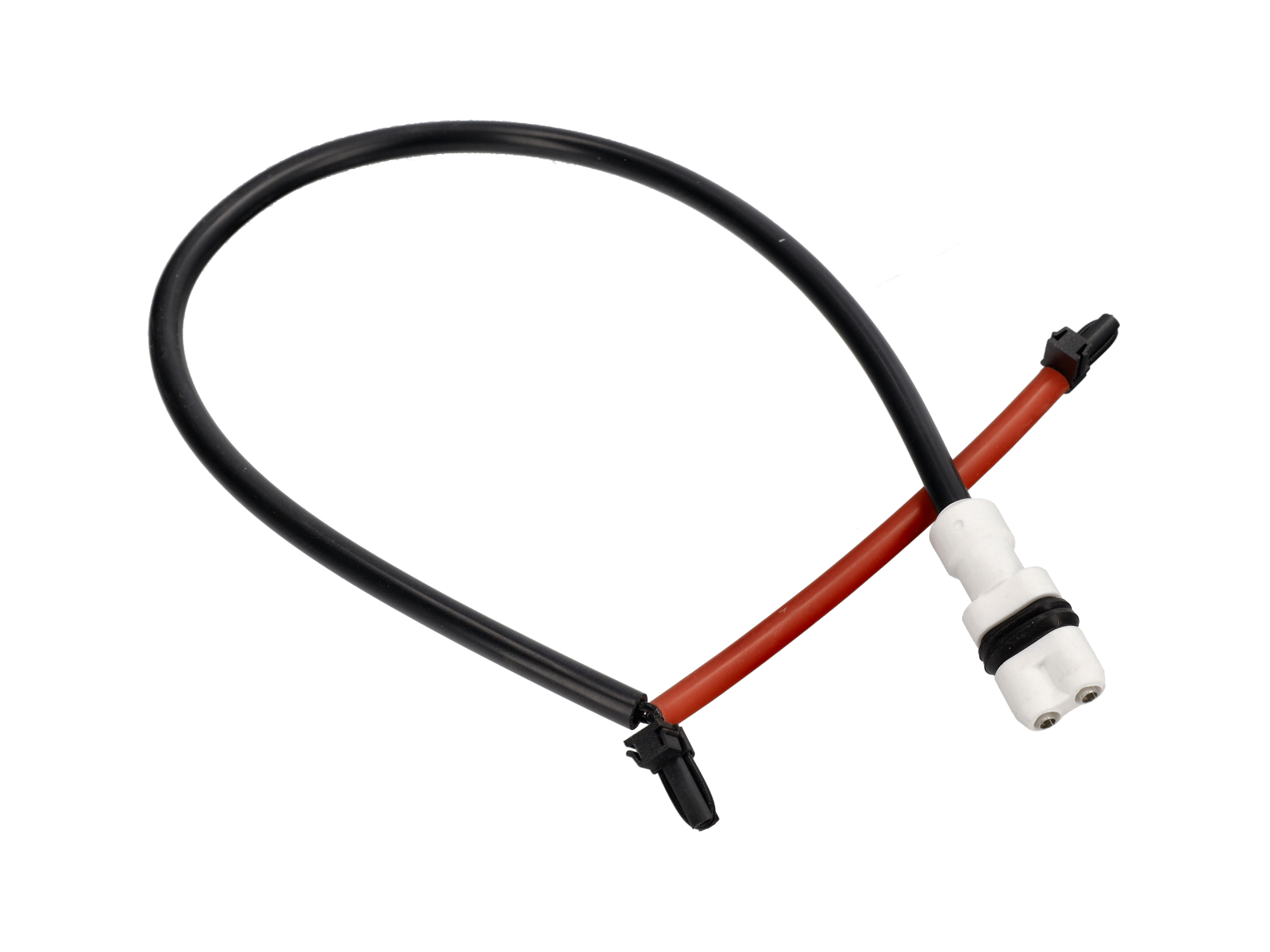
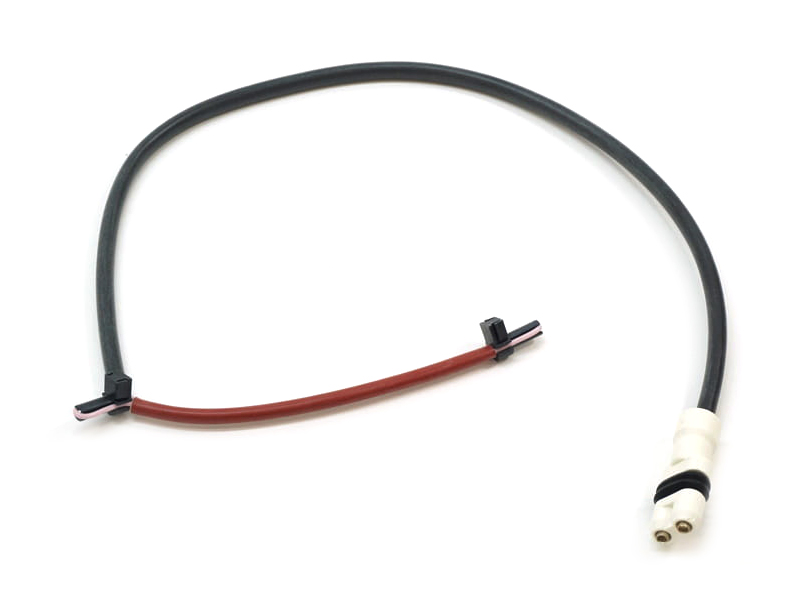
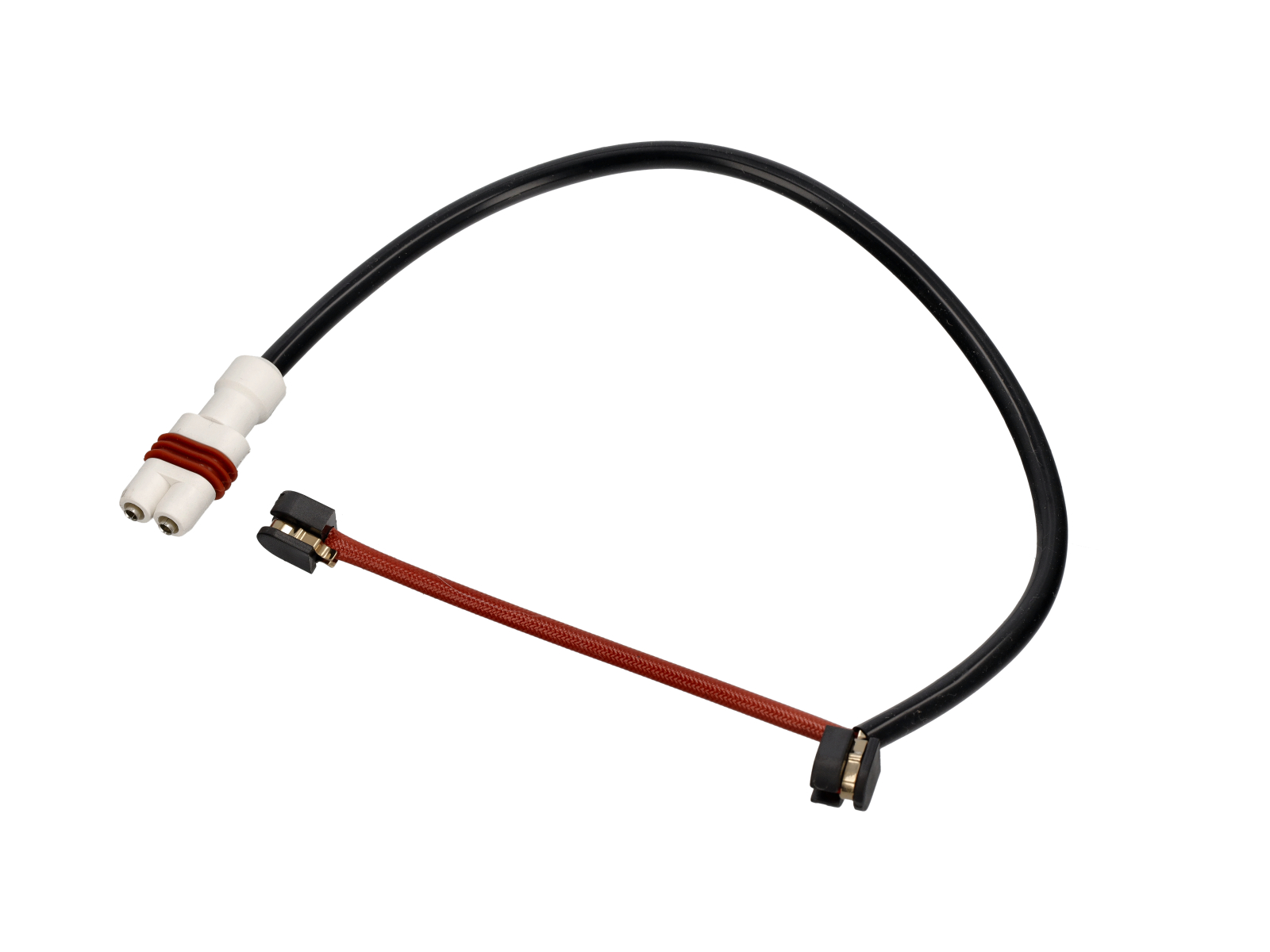


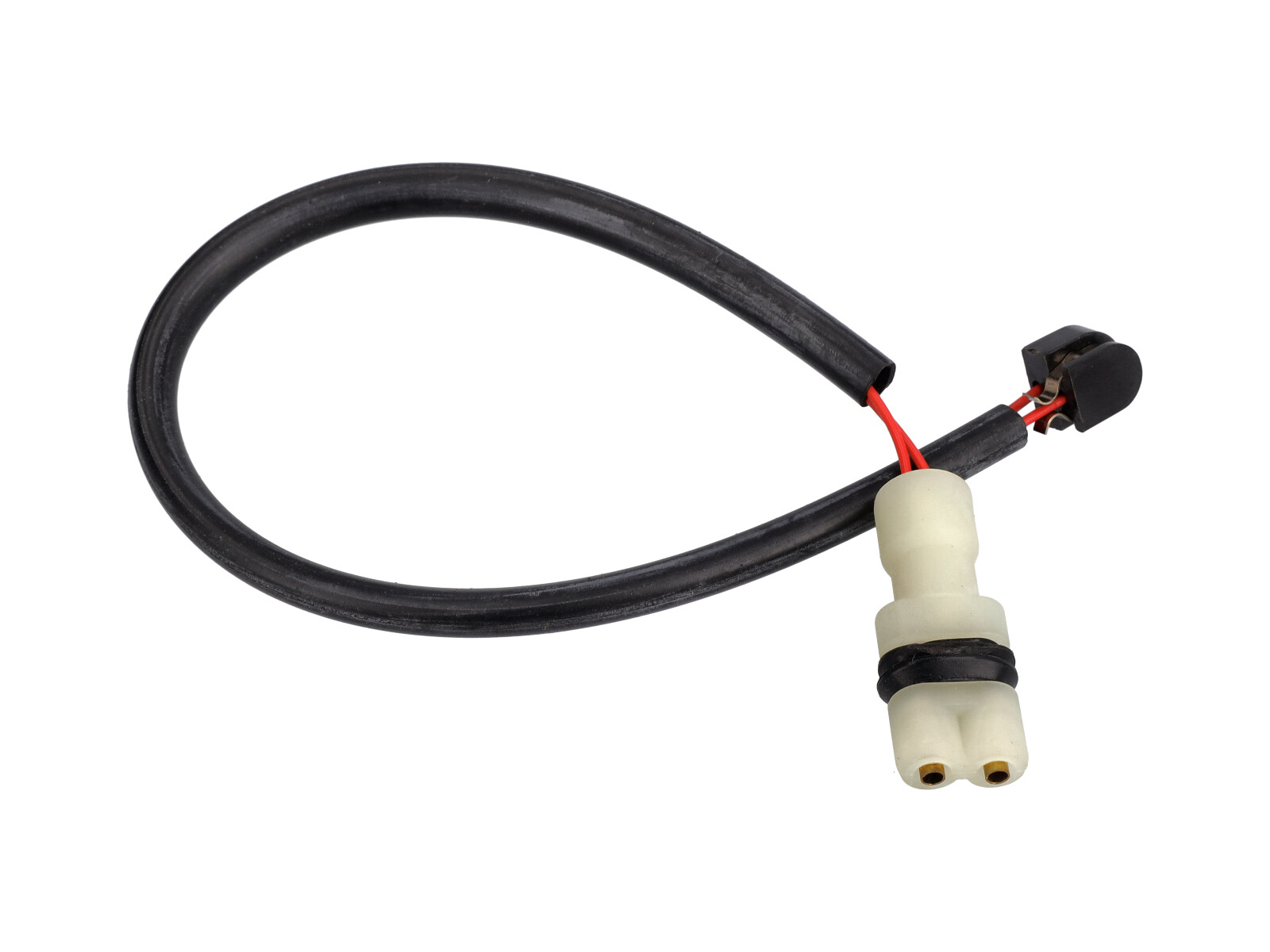
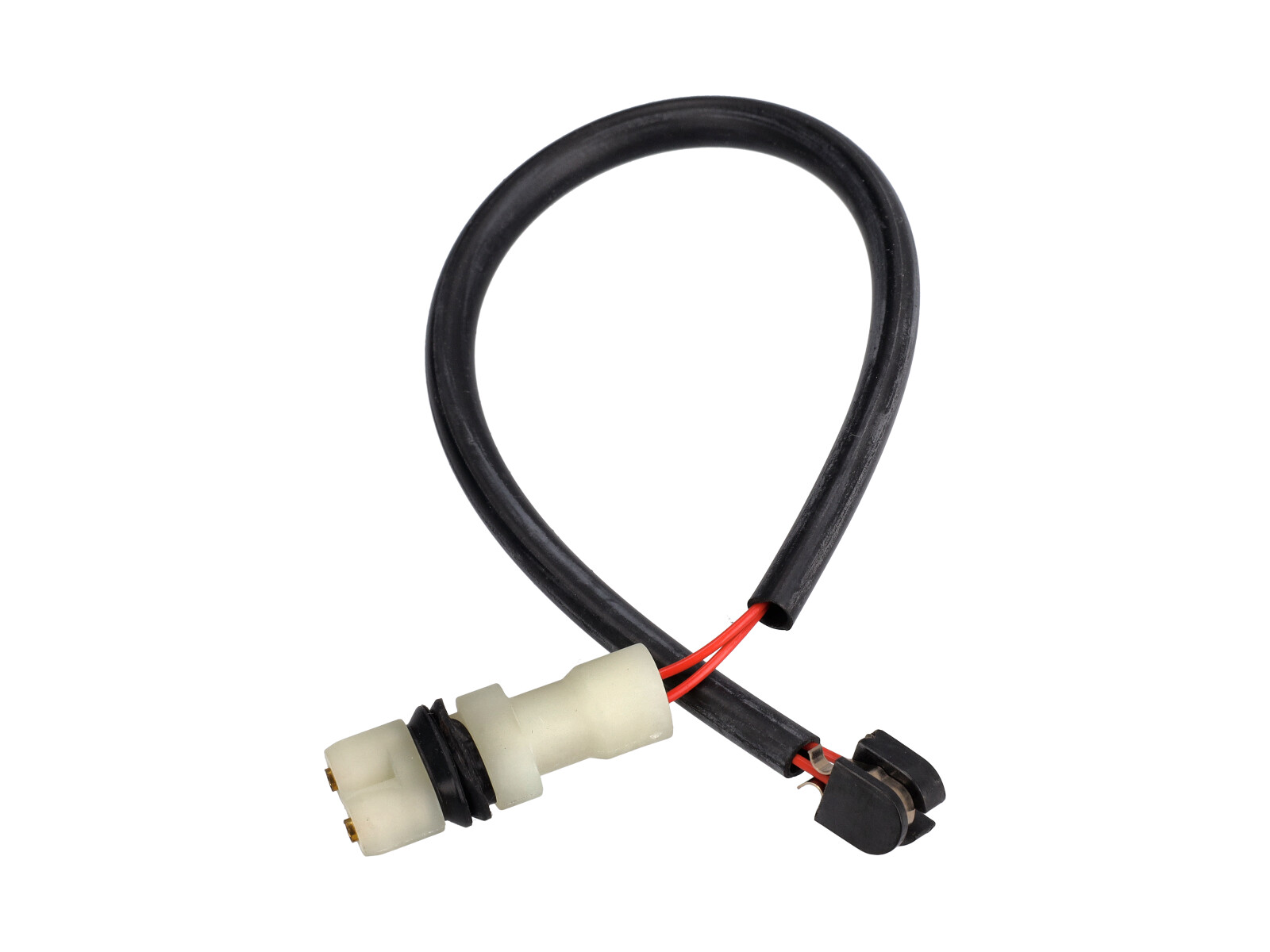
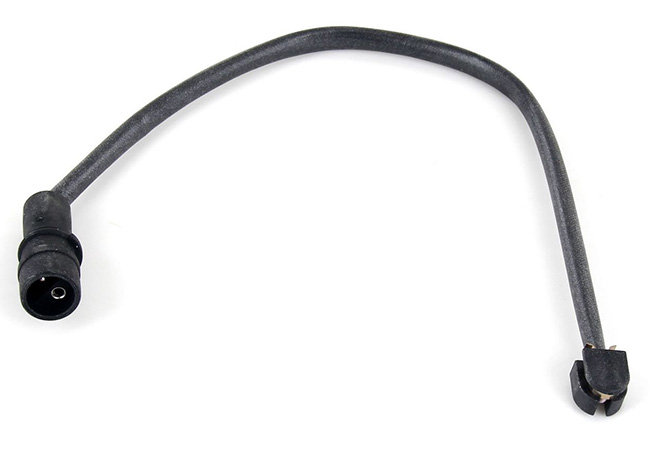
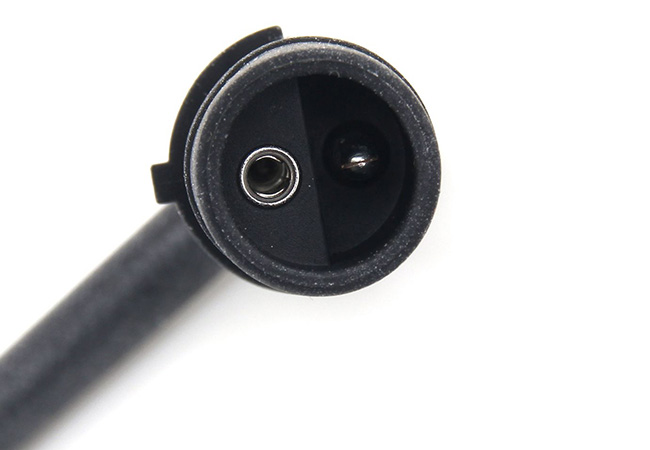

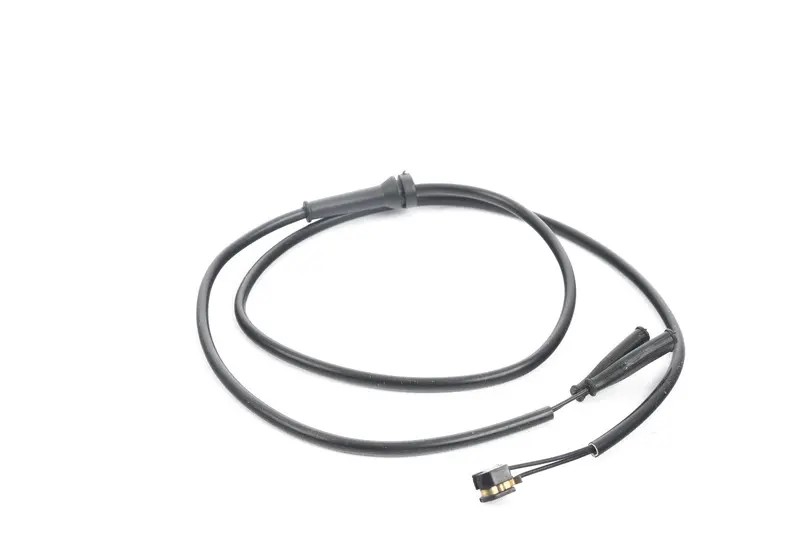


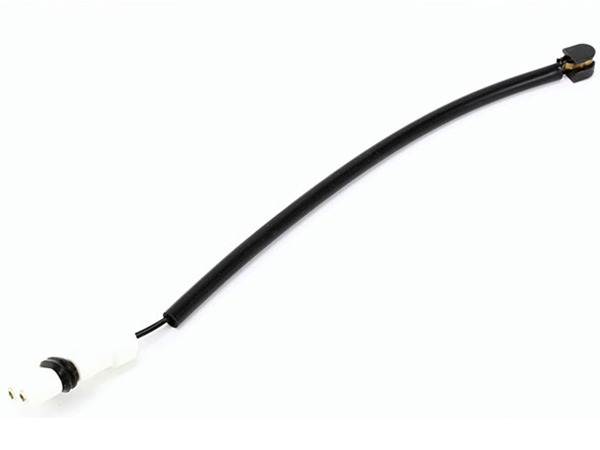
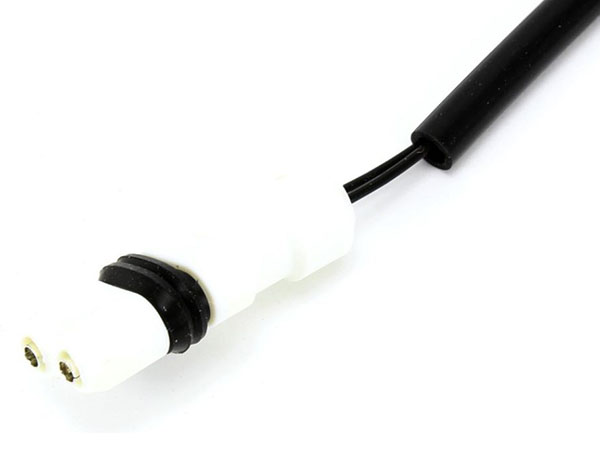
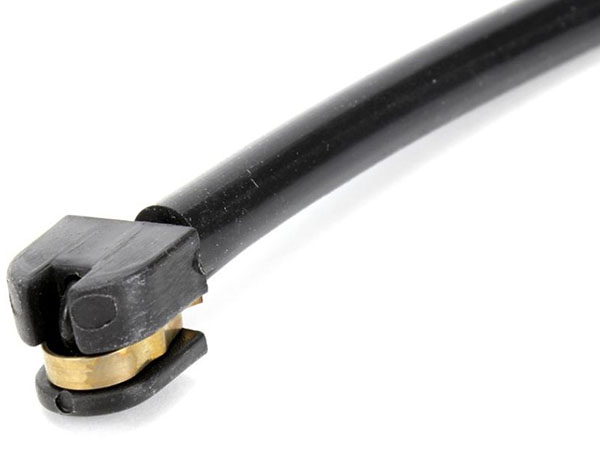
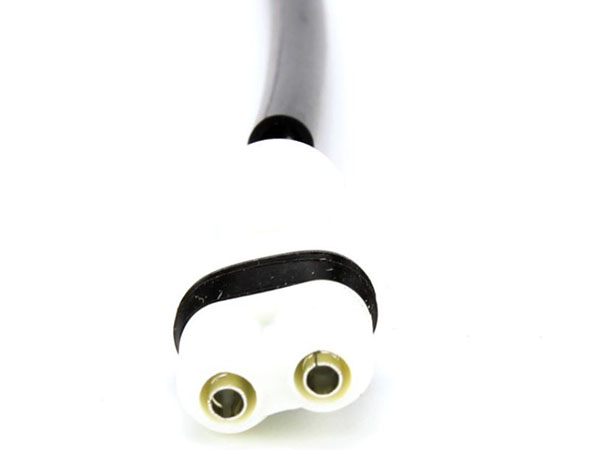

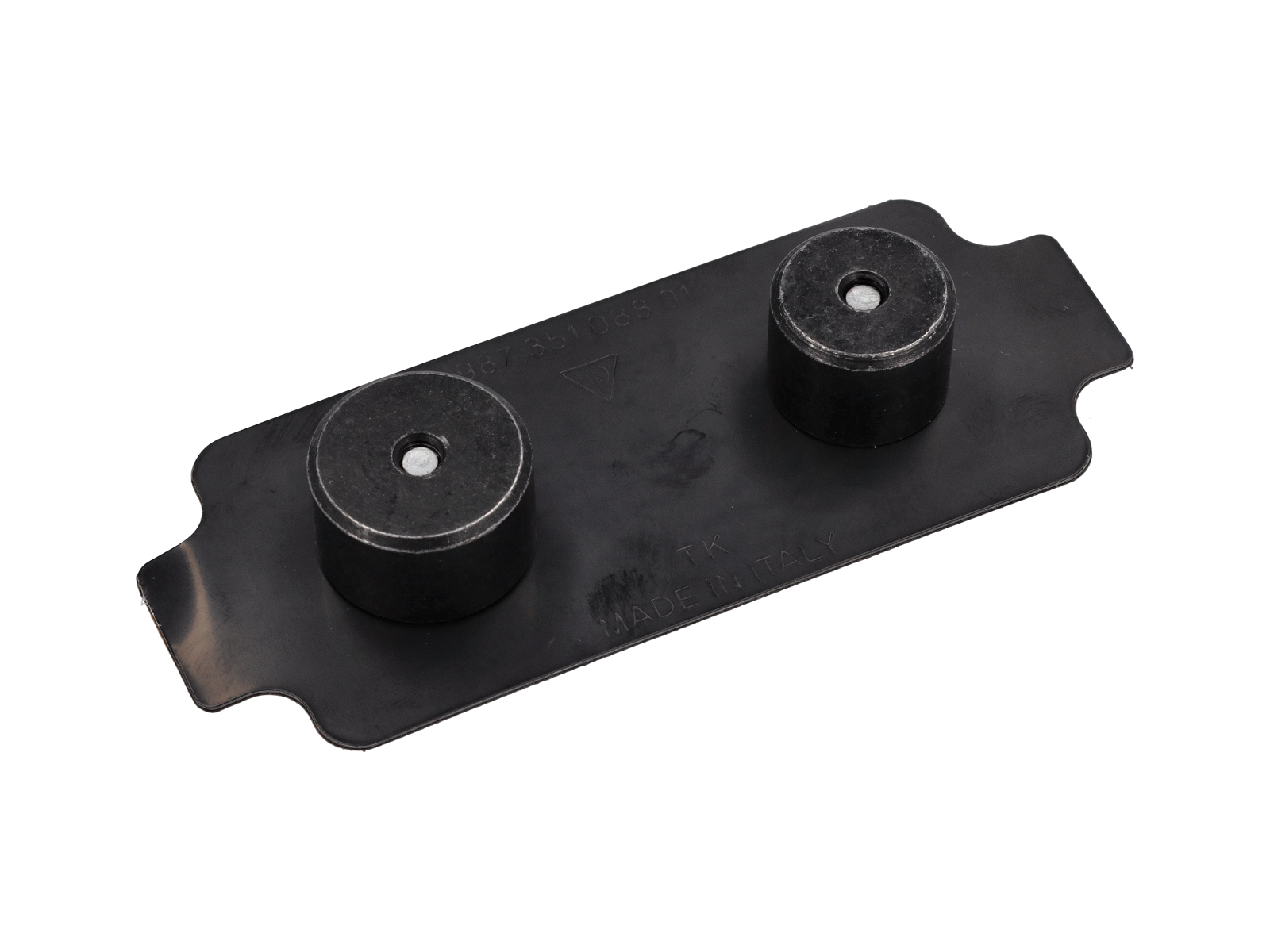
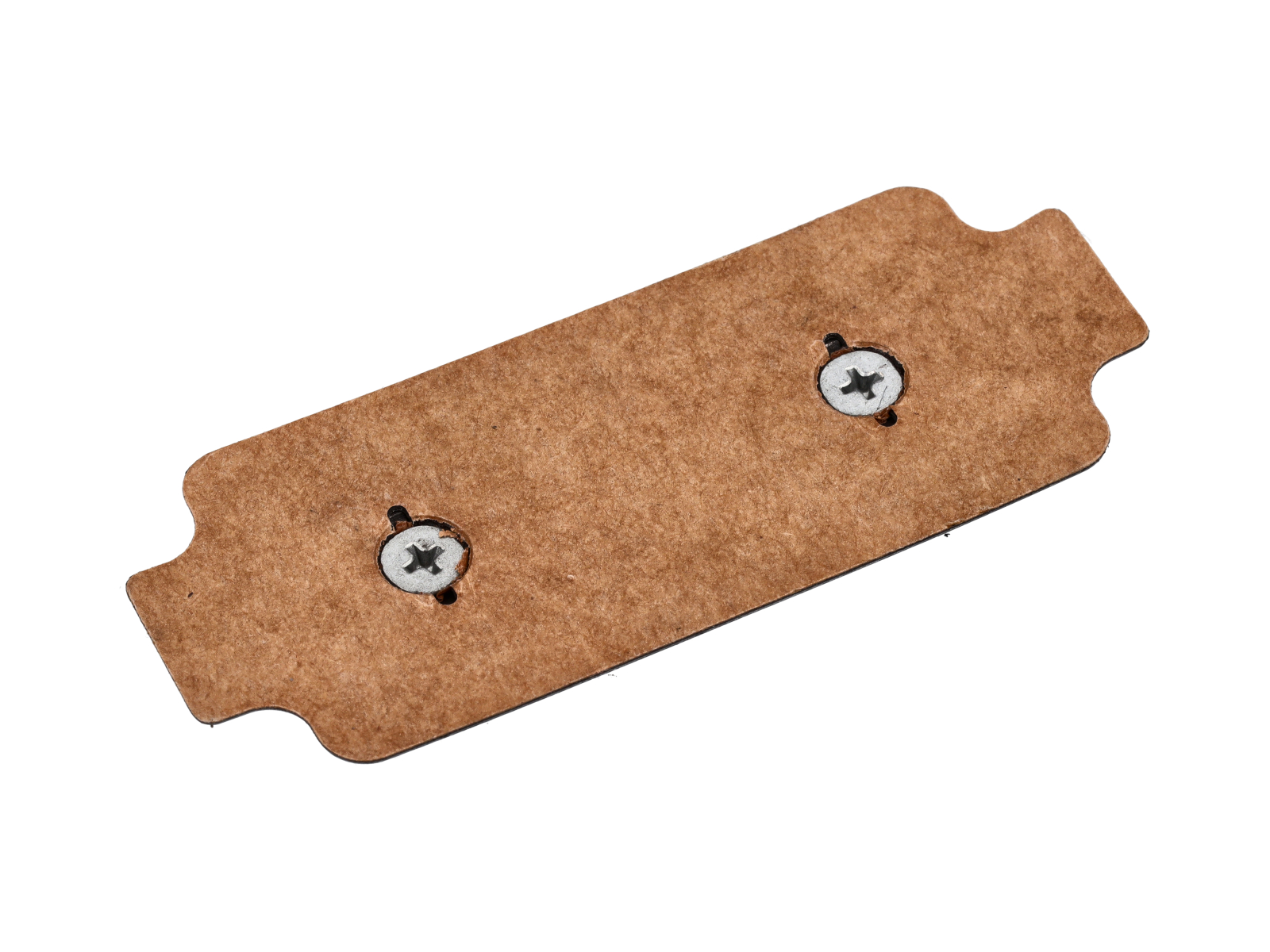
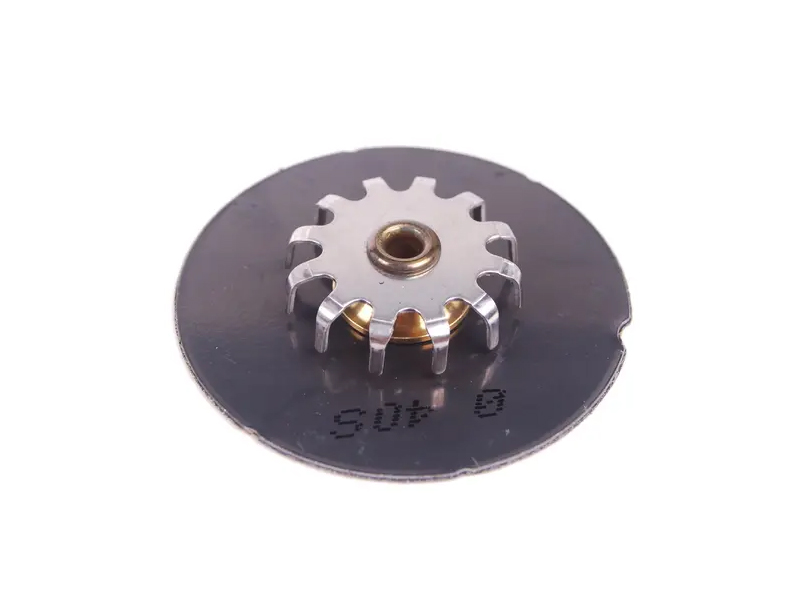
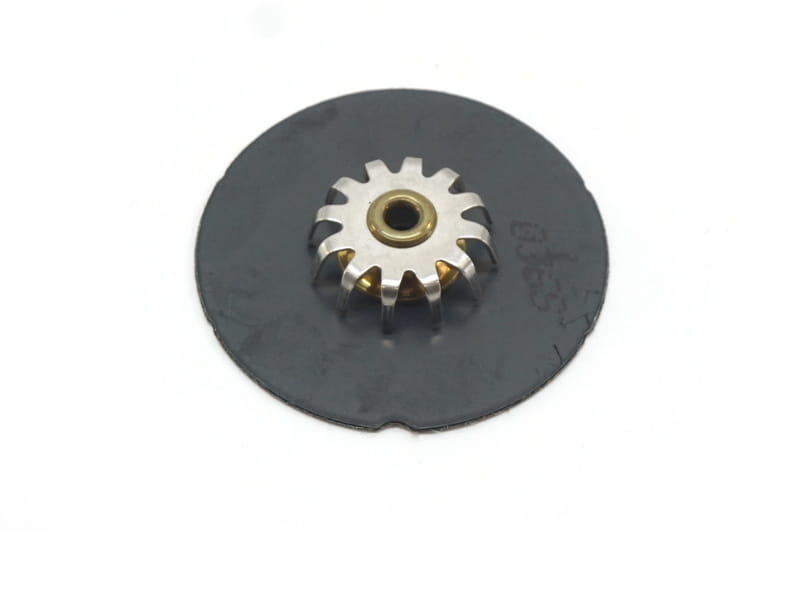
The OE Match Anti Vibration Damper, 36mm (96435109601/1) is a high-quality replacement suspension and steering component designed to minimise unwanted vibrations and harmonic oscillations transmitted through the vehicle's chassis and suspension system. Manufactured to OE specifications and designed for applications requiring a 36mm damper, this component helps maintain vehicle refinement, steering precision and ride comfort.
Sold Each.
x4 Required Per Car.
Fits:
- Porsche 964 (911) C2 1989-93
- Porsche 964 (911) C4 1989-93
- Porsche 964 (911) RS 3.6L 1991-93
- Porsche 964 (911) RS 3.8L 1991-93
- Porsche 964 (911) TURBO 3.3L 1991-93
- Porsche 964 (911) TURBO 3.6L 1991-93
- Porsche 993 (911) C2 1994-97
- Porsche 993 (911) RS 1994-97
- Porsche 993 (911) C2S 1994-97
- Porsche 993 (911) TURBO 1994-96
- Porsche 944S2 3.0L 16V 1989-91
- Porsche 968 3.0L 1992-94
- Porsche 968 Sport 3.0L 1994-95
- Porsche 968 CS 3.0L 1993-95
- Porsche 968 Turbo S 3.0L 1993-94
- Porsche 928S4 5.0L 1987-92
- Porsche 928GT 5.0L 1989-91
- Porsche 928GTS 5.4L 1992-95
Engineered to absorb and dissipate vibration caused by road irregularities, suspension movement and drivetrain forces, the anti-vibration damper plays an important role in preserving the smooth handling characteristics and driving comfort expected from a Porsche. Its durable construction ensures long-term performance under demanding driving conditions.
What This Product Does:
- Reduces unwanted vibrations transmitted through the chassis and suspension.
- Dampens oscillations generated by road surfaces and suspension movement.
- Improves steering stability and control.
- Enhances ride comfort and overall vehicle refinement.
- Helps reduce stress on associated suspension and steering components.
- Supports predictable handling and driving confidence.
- Contributes to smoother operation at both low and high speeds.
Symptoms Of Wear Or Failure:
- Increased vibration felt through the steering wheel or vehicle body.
- Steering shimmy or instability at certain speeds.
- Excessive road harshness transmitted into the cabin.
- Increased suspension noise or rattling.
- Reduced ride comfort and refinement.
- Excessive oscillation after driving over bumps.
- Visible deterioration, cracking or damage to the damper assembly.
- Accelerated wear of surrounding suspension components.
Why Replacement Matters:
- Anti-vibration dampers are continually exposed to road impacts, suspension loads, vibration, temperature changes and environmental conditions. Over time, the internal damping material and mounting elements can deteriorate, reducing the component's ability to absorb and control unwanted movement effectively.
- A worn anti-vibration damper can negatively affect ride quality, steering feel and overall vehicle refinement. Excessive vibration may place additional strain on suspension and steering components, potentially accelerating wear and reducing vehicle comfort. In some cases, steering stability and handling confidence may also be compromised.
- Replacing a worn anti-vibration damper restores smooth operation, improves driving comfort and helps maintain the precise handling characteristics intended by the manufacturer. An OE Match replacement provides factory-style fitment, reliable performance and long-term durability, ensuring continued suspension effectiveness and vehicle refinement.
Related reference numbers
Related, superseded, cross reference or alternative numbers for comparison.
96435109601
The product you are viewing cross references to these numbers
- Porsche 964 (911) C2 1989-93
- Porsche 964 (911) C4 1989-93
- Porsche 964 (911) RS 3.6L 1991-93
- Porsche 964 (911) RS 3.8L 1991-93
- Porsche 964 (911) TURBO 3.3L 1991-93
- Porsche 964 (911) TURBO 3.6L 1991-93
- Porsche 993 (911) C2 1994-97
- Porsche 993 (911) RS 1994-97
- Porsche 993 (911) C2S 1994-97
- Porsche 993 (911) TURBO 1994-96
- Porsche 944S2 3.0L 16V 1989-91
- Porsche 968 3.0L 1992-94
- Porsche 968 Sport 3.0L 1994-95
- Porsche 968 CS 3.0L 1993-95
- Porsche 968 Turbo S 3.0L 1993-94
- Porsche 928S4 5.0L 1987-92
- Porsche 928GT 5.0L 1989-91
- Porsche 928GTS 5.4L 1992-95
Shop Securely
12 Month Warranty
Worldwide Delivery


Monday-Friday: 8.30am - 5.30pm (GMT)
Saturday: Closed
Sunday: Closed